A Capital Womens Health Clinic _ Complete Guide to Women’s Healthcare Services, Benefits, and Patient Care
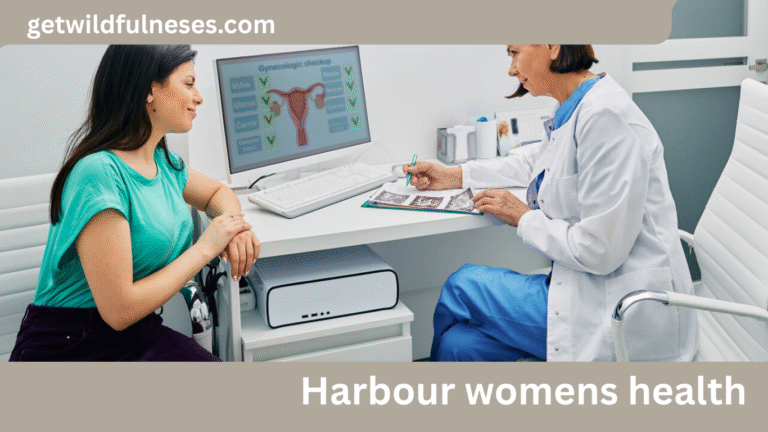
Women’s healthcare is one of the most important parts of a healthy life. From yearly wellness exams to pregnancy care, birth control, menopause treatment, and preventive screenings, every woman needs trusted medical support at every stage of life. That is why many patients search for reliable providers like “a capital womens health clinic” when looking for professional and compassionate care.
Choosing the right women’s health clinic is not only about finding a doctor. It is about finding a healthcare team that listens, understands, supports, and provides high-quality medical care. A good clinic helps women stay healthy, prevent disease, manage medical conditions, and feel confident about their health decisions.
In recent years, women have become more active in managing their healthcare needs. They want clinics that offer modern treatments, experienced doctors, shorter wait times, advanced technology, and personalized care. A capital womens health clinic represents the type of healthcare center many women look for today: patient-focused, professional, safe, and supportive.
This complete guide explains everything patients should know about a capital womens health clinic, including services offered, benefits, preventive care, pregnancy support, gynecology treatments, women’s wellness programs, and how to choose the right clinic for long-term health needs.
What Is A Capital Womens Health Clinic?
A capital womens health clinic is a medical facility that focuses on women’s healthcare services. These clinics are designed to support women through every stage of life, from teenage years to pregnancy, adulthood, and menopause.
Unlike general healthcare centers, women’s health clinics specialize in female reproductive health, preventive screenings, hormonal care, and gynecological services. Many clinics also provide emotional support, patient education, and wellness programs.
Most women visit a capital womens health clinic for services such as:
- Annual wellness exams
- Pap smears
- Breast health screenings
- Pregnancy care
- Fertility support
- Menopause management
- Birth control counseling
- STD testing and treatment
- Hormone therapy
- Gynecological procedures
These clinics often use a patient-centered approach. This means doctors and healthcare providers focus on the individual needs of every patient instead of using the same treatment for everyone.
Why Women Choose A Capital Womens Health Clinic
Many women prefer specialized clinics because they offer focused care in a comfortable environment. Women often feel more relaxed discussing sensitive health concerns with specialists trained in female healthcare.
Here are some common reasons why women choose a capital womens health clinic.
Specialized Women’s Healthcare
Doctors and healthcare providers at women’s clinics are trained specifically in female health issues. They understand the unique physical and emotional health challenges women face.
This specialized experience often leads to better diagnosis, treatment, and patient support.
Preventive Care Focus
Preventive care helps detect health problems early before they become serious. A capital womens health clinic usually encourages regular screenings and wellness visits.
Early detection can help prevent:
- Cervical cancer
- Breast cancer
- Osteoporosis
- Reproductive disorders
- Heart disease
- Hormonal problems
Preventive care can improve long-term health and lower healthcare costs.
Personalized Treatment Plans
Every woman’s body is different. Personalized healthcare means treatment plans are designed around the patient’s age, lifestyle, symptoms, medical history, and future goals.
This individualized approach improves patient satisfaction and treatment success.
Comfortable Environment
Many women feel more comfortable in clinics focused entirely on women’s health. These clinics are often designed to create a calm, supportive, and respectful atmosphere.
A welcoming environment can reduce stress and encourage women to seek care more regularly.
Common Services Offered By A Capital Womens Health Clinic
Women’s clinics usually provide a wide range of healthcare services under one roof. This makes healthcare more convenient and easier to manage.
Below are the most common services available.
Annual Wellness Exams
Annual exams are one of the most important parts of preventive healthcare for women.
During a yearly wellness visit, doctors may:
- Review medical history
- Check blood pressure
- Discuss menstrual health
- Perform pelvic exams
- Recommend screenings
- Discuss lifestyle habits
- Evaluate reproductive health
Regular exams help identify health problems early and support long-term wellness.
Pap Smears And Cervical Cancer Screenings
Pap smears are essential for detecting abnormal cervical cells that may lead to cancer.
Most healthcare providers recommend regular Pap tests based on age and medical history.
A capital womens health clinic often uses updated screening guidelines and modern testing methods to improve early detection and treatment.
Breast Health Services
Breast health is another major focus in women’s healthcare.
Common services include:
- Breast exams
- Mammogram referrals
- Breast cancer screenings
- Evaluation of breast pain or lumps
- Genetic risk discussions
Early breast cancer detection greatly increases treatment success rates.
Pregnancy And Prenatal Care
Pregnancy care is one of the most important services offered by a capital womens health clinic.
Prenatal care supports both mother and baby throughout pregnancy. Regular visits help monitor health, growth, and development.
Prenatal services may include:
- Ultrasounds
- Blood tests
- Nutrition advice
- High-risk pregnancy monitoring
- Labor preparation
- Postpartum care
Good prenatal care can lower pregnancy complications and improve healthy birth outcomes.
Fertility Evaluations And Reproductive Support
Some women face challenges when trying to become pregnant. Women’s health clinics may provide fertility evaluations and treatment guidance.
Fertility services may include:
- Hormone testing
- Ovulation tracking
- Ultrasounds
- Reproductive counseling
- Referral to fertility specialists
Early fertility evaluation can help identify underlying issues and improve treatment options.
Birth Control And Family Planning
Family planning services help women make informed decisions about reproductive health.
A capital womens health clinic may offer:
- Birth control pills
- IUD placement
- Contraceptive implants
- Emergency contraception
- Fertility awareness education
- Pregnancy counseling
Doctors usually help patients choose the safest and most effective birth control option for their lifestyle and health needs.
STD Testing And Treatment
Sexually transmitted diseases can affect reproductive health if not treated early.
Women’s clinics often provide confidential:
- STD testing
- Lab work
- Treatment plans
- Preventive education
- Partner guidance
Regular testing supports reproductive wellness and prevents long-term complications.
Menopause Care And Hormonal Support
Menopause is a natural stage of life, but symptoms can affect physical and emotional well-being.
Common menopause symptoms include:
- Hot flashes
- Sleep problems
- Mood changes
- Weight gain
- Vaginal dryness
- Fatigue
A capital womens health clinic may offer hormone therapy, nutrition guidance, lifestyle recommendations, and symptom management plans.

Also Read : How a Wellness Drink Turned Into a Nightmare Womens Health
Gynecological Treatments And Procedures
Gynecological care includes diagnosis and treatment of female reproductive conditions.
Common conditions treated include:
- Fibroids
- Endometriosis
- Ovarian cysts
- PCOS
- Pelvic pain
- Irregular periods
- Infections
Some clinics also perform minimally invasive procedures for faster recovery and less discomfort.
Importance Of Preventive Women’s Healthcare
Preventive healthcare is one of the strongest ways to protect long-term wellness.
Many serious diseases can develop silently without symptoms. Regular screenings and checkups help identify issues before they become severe.
A capital womens health clinic often emphasizes preventive care because it can:
- Improve life expectancy
- Reduce healthcare costs
- Detect disease earlier
- Support healthy pregnancies
- Improve mental health
- Increase quality of life
Women who attend regular wellness visits are more likely to stay informed about their health and receive timely treatment.
Mental Health Support In Women’s Healthcare
Mental health is closely connected to physical health.
Hormonal changes, pregnancy, stress, family responsibilities, and work pressure can affect emotional wellness.
Many modern women’s clinics now recognize the importance of mental health support.
Some services may include:
- Anxiety screening
- Depression evaluation
- Postpartum mental health support
- Stress management
- Counseling referrals
Mental wellness support is becoming an essential part of complete women’s healthcare.
The Role Of Technology In Modern Women’s Clinics
Healthcare technology has improved women’s healthcare in many ways.
Today, many clinics use advanced systems for:
- Digital medical records
- Online appointment scheduling
- Telehealth visits
- Advanced imaging
- Electronic prescriptions
- Faster lab results
Technology improves communication, convenience, diagnosis accuracy, and patient experience.
Telemedicine has also become more popular, especially for follow-up appointments and basic consultations.
How To Choose The Right A Capital Womens Health Clinic
Choosing the right clinic is an important healthcare decision.
Not all clinics provide the same level of care, technology, or patient support.
Here are some important factors to consider.
Qualified Medical Providers
Look for clinics with experienced and licensed healthcare professionals.
Patients should feel comfortable asking questions about:
- Education
- Certifications
- Experience
- Areas of specialization
Experienced providers usually offer more accurate diagnosis and personalized treatment.
Patient Reviews And Reputation
Online reviews can provide useful insight into patient experiences.
Good clinics often receive positive feedback for:
- Friendly staff
- Professional care
- Short wait times
- Clean facilities
- Helpful communication
Patient satisfaction is often a strong indicator of service quality.
Range Of Services
A clinic that offers many services in one location is often more convenient.
Comprehensive care may include:
- Gynecology
- Obstetrics
- Wellness exams
- Imaging
- Laboratory services
- Hormone treatment
This helps patients avoid visiting multiple healthcare facilities.
Insurance And Payment Options
Healthcare costs are an important factor for many patients.
Before choosing a capital womens health clinic, confirm:
- Accepted insurance plans
- Payment policies
- Financing options
- Self-pay costs
Transparent pricing helps patients plan healthcare expenses more effectively.
Location And Accessibility
A convenient clinic location makes regular visits easier.
Patients may also want to check:
- Parking availability
- Office hours
- Emergency support
- Public transportation access
Easy access improves continuity of care.
Women’s Healthcare Trends In The United States
Women’s healthcare in the US continues to evolve.
Several important trends are shaping the future of women’s clinics.
Personalized Medicine
Doctors are increasingly using personalized approaches based on genetics, lifestyle, and health history.
This helps improve treatment effectiveness and patient outcomes.
Holistic Wellness Care
Many clinics now focus on total wellness instead of treating symptoms alone.
Holistic care may include:
- Nutrition guidance
- Exercise counseling
- Mental wellness support
- Hormonal balance
- Preventive education
Women are becoming more interested in complete wellness care.
Telehealth Expansion
Virtual healthcare appointments continue growing across the United States.
Telehealth improves access for:
- Busy professionals
- Rural patients
- Mothers with children
- Patients needing follow-up care
Convenience and flexibility make telemedicine increasingly popular.
Greater Focus On Preventive Health
Healthcare providers are placing more attention on prevention rather than reactive treatment.
This includes:
- Cancer screenings
- Lifestyle counseling
- Weight management
- Early disease detection
Preventive healthcare supports healthier long-term outcomes.
Common Health Conditions Treated At A Capital Womens Health Clinic
Women’s clinics manage many health concerns that affect different age groups.
Some of the most common conditions include:
Polycystic Ovary Syndrome (PCOS)
PCOS is a hormonal disorder that may cause:
- Irregular periods
- Weight gain
- Acne
- Fertility issues
Early treatment can improve symptoms and reproductive health.
Endometriosis
Endometriosis occurs when tissue similar to the uterine lining grows outside the uterus.
Symptoms may include:
- Severe pain
- Heavy periods
- Infertility
- Fatigue
Specialized care can improve symptom management and quality of life.
Uterine Fibroids
Fibroids are non-cancerous growths in the uterus.
Some women experience:
- Heavy bleeding
- Pelvic pressure
- Pain
- Frequent urination
Treatment depends on symptom severity and reproductive goals.
Menstrual Disorders
Irregular or painful periods can affect daily life.
Women’s clinics help diagnose and manage:
- Heavy bleeding
- Missed periods
- Hormonal imbalance
- Severe cramps
Proper treatment can improve comfort and overall health.
The Importance Of Trust In Women’s Healthcare
Trust is one of the most important parts of patient care.
Women need healthcare providers who:
- Listen carefully
- Respect privacy
- Explain treatment clearly
- Support informed decisions
A trusted healthcare relationship improves communication and long-term health outcomes.
Patients who trust their providers are more likely to attend regular checkups and follow medical advice.

Also Read : A Complete Guide to A Capital Womens Health_Services, Care, Privacy, and Patient Support
Why Early Detection Saves Lives
One of the greatest advantages of regular visits to a capital womens health clinic is early detection.
Early diagnosis often improves treatment success for conditions such as:
- Breast cancer
- Cervical cancer
- Diabetes
- High blood pressure
- Osteoporosis
Women who delay medical care may face more serious complications later.
Regular screenings can protect health and save lives.
Nutrition And Lifestyle Guidance For Women
Modern women’s clinics often support healthy lifestyle habits in addition to medical treatment.
Lifestyle guidance may include:
- Healthy eating plans
- Exercise recommendations
- Weight management
- Stress reduction
- Sleep improvement
These habits play a major role in long-term wellness and disease prevention.
The Future Of Women’s Healthcare
Women’s healthcare is expected to become even more personalized and technology-driven in the future.
Healthcare experts predict continued growth in:
- Telemedicine
- Preventive medicine
- Hormonal research
- Digital healthcare tools
- Fertility technology
- Personalized treatments
Women are becoming more informed about healthcare choices and more involved in medical decisions.
Clinics that provide compassionate, evidence-based, and patient-focused care will continue to grow in importance.
Conclusion
A capital womens health clinic plays an important role in helping women maintain strong physical, emotional, and reproductive health throughout every stage of life. From preventive screenings and annual wellness exams to pregnancy care, menopause support, and advanced gynecological treatments, these clinics provide specialized healthcare designed specifically for women’s unique needs.
Modern women’s healthcare is focused on more than just treating illness. Today, women want compassionate doctors, personalized care plans, advanced medical technology, and a supportive environment where they feel respected and heard. A trusted women’s health clinic helps patients make informed healthcare decisions while improving long-term wellness and quality of life.
Regular visits to a capital womens health clinic can help detect serious conditions early, reduce future health risks, and support healthier lifestyles. Preventive care, mental wellness support, fertility guidance, and patient education are now essential parts of complete women’s healthcare in the United States.
FAQs About A Capital Womens Health Clinic
What age should women start visiting a women’s health clinic?
Many healthcare providers recommend that young women begin visiting a women’s health clinic during their teenage years or when they become sexually active. Early visits help establish healthy habits and preventive care.
How often should women schedule wellness exams?
Most women should schedule a wellness exam once every year. However, some patients may need more frequent visits depending on medical conditions, pregnancy, or ongoing treatments.
Can a capital womens health clinic help with menopause symptoms?
Yes. Many clinics provide menopause management services, including hormone therapy, lifestyle guidance, and symptom treatment plans.
Are telehealth appointments available at women’s clinics?
Many modern women’s clinics now offer telemedicine services for consultations, follow-up visits, prescription management, and patient education.
What should I bring to my first appointment?
Patients should usually bring:
- Photo identification
- Insurance information
- Medical history
- Medication list
- Previous medical records if available
This helps healthcare providers better understand patient needs.
Do women’s clinics provide fertility evaluations?
Yes. Many clinics offer fertility assessments, hormone testing, reproductive counseling, and referrals to fertility specialists when needed.
Is preventive care really necessary if I feel healthy?
Yes. Many serious conditions develop without noticeable symptoms. Preventive screenings help detect problems early before they become dangerous.
Can women’s health clinics help with mental health concerns?
Some clinics provide mental health screenings, emotional wellness support, counseling referrals, and postpartum mental health services.
What is the difference between a gynecologist and a primary care doctor?
A gynecologist specializes in female reproductive health, while a primary care doctor provides general healthcare services for overall wellness and common illnesses.
Why is personalized healthcare important for women?
Every woman has unique health needs, medical history, and lifestyle factors. Personalized care improves treatment accuracy, patient comfort, and long-term health outcomes.