What to Expect During Your Dental Implant Procedure
A dental implant is designed to replace a missing tooth. This treatment involves a multi-step process that provides a foundation for a replacement tooth or bridge. The procedure is typically completed over several months, allowing for proper healing and integration of your dental implant into the jawbone. Here are some things to expect during your dental implant procedure:
Getting Dental Implant Surgery
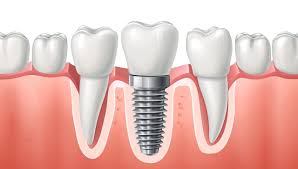
During the procedure, your dentist will numb the area with local anesthesia to keep you comfortable. An incision is made in your gum tissue to expose the underlying bone. Using specialized instruments, the dentist prepares a small space in the bone where the titanium implant post will be placed. This post serves as the artificial root for your future tooth.
The implant is inserted and then covered with gum tissue, initiating the healing phase. You may experience mild discomfort or swelling after surgery, and your dentist will provide instructions to manage these symptoms. Your commitment to good oral hygiene visits supports your healing and the long-term stability of the implant.
Osseointegration, the process by which your jawbone bonds with the implant, typically spans several months. During this period, the implant becomes securely anchored in the bone, forming a stable foundation. Follow-up appointments allow your dentist to monitor your recovery and confirm the implant is integrating as planned.
Fitting the Abutment
The abutment is a small connector that is attached to the implant. It is designed to protrude above the gum line and serve as the attachment point for your new tooth. Once the dental implant is stable and fully fused with your bone, you will return for a minor surgical procedure. Under local anesthesia, your dentist makes a small incision to access the top of the implant. After the abutment is placed, your dentist will close the gum tissue around the abutment to allow proper healing.
Gum tissue generally requires several weeks to heal after abutment placement. Your dentist may recommend care and cleaning techniques to protect the area. Patients may be provided with a temporary crown to maintain appearance and function during healing.
Designing Your Restoration
After the abutment has healed, you’re ready to design your new crown or restoration. Your dentist will take impressions or digital scans of your teeth and bite. The goal is to achieve a natural fit that blends seamlessly with your other teeth. A dental lab uses the provided impressions to create a custom-made crown that matches the shape, shade, and size specified by your dentist. The fabrication process can take a few weeks, and you might receive a temporary crown to wear while waiting.
Installing the Restoration
Your final appointment focuses on placing your custom restoration. The dentist will position the crown on the abutment and check the fit, bite alignment, and appearance. Adjustments are made as necessary so the new tooth feels right and looks natural with your existing smile.
The crown is then secured to the abutment using dental adhesive or a small screw, depending on the restoration type. Your dentist will review how to care for your new crown and answer any questions. Many patients find that their new tooth soon feels like a natural part of their mouth, supporting normal daily function.
Visit a Cosmetic Dentist Today
Choosing dental implant treatment involves several appointments, but each step helps build a stable base for your new tooth. Understanding the process, from surgery and healing, through abutment placement, to the final crown, can help you feel more prepared. Following your dentist’s instructions supports recovery and the longevity of your dental implant. Schedule a consultation with a cosmetic dentist today to discuss your dental goals and explore your options for restoring your smile.