

Giniä is a term closely connected to the idea of the Gini coefficient, which is one of the most widely used tools in economics to measure inequality. When people talk about how fairly income or wealth is shared in a country, they often rely on this concept. Even though the term may look unusual or modern, its foundation is deeply rooted in economic theory and social analysis.
In simple words, giniä helps us understand whether wealth in a society is evenly distributed or concentrated in the hands of a few people. It is not just a number. It tells a story about fairness, opportunity, and social balance.
In today’s world, where discussions about inequality are becoming more important, understanding giniä is essential. Governments, researchers, and global organizations use it to track economic progress and social justice.
This guide explains everything about giniä in very simple English so that anyone can understand it, even without a background in economics.
What Is Giniä and Why It Matters
Giniä represents a way to measure inequality. It is based on the Gini coefficient, which is a number between 0 and 1.
A value of 0 means perfect equality. This means everyone has the same income or wealth.
A value of 1 means perfect inequality. This means one person has everything, and everyone else has nothing.
Most real-world countries fall somewhere in between.
Understanding giniä matters because:
It shows how fair or unfair a society is
It helps governments make better economic decisions
It helps compare different countries
It shows whether inequality is growing or shrinking over time
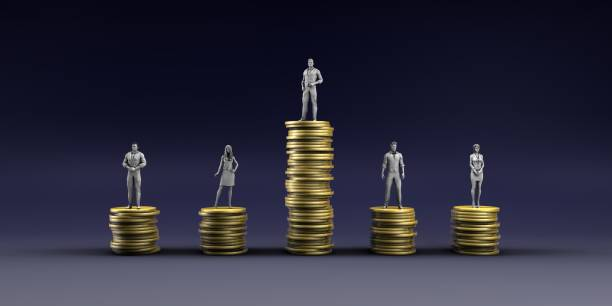
For example, if a country has a high giniä score, it means wealth is unevenly distributed. This can lead to social problems like poverty, crime, and lack of opportunities.
The History Behind Giniä
The idea behind giniä comes from an Italian statistician named Corrado Gini. In 1912, he introduced the Gini coefficient to measure income inequality.
Over time, this method became popular because it is simple and easy to compare across countries. Today, international organizations like the World Bank and the United Nations use it regularly.
Even though the original concept is over 100 years old, giniä is still very relevant today. In fact, it is more important than ever because economic gaps are increasing in many parts of the world.
How Giniä Works in Simple Terms
To understand giniä, imagine a simple example.
Suppose there are five people in a country:
If all five earn the same amount, inequality is zero
If one person earns everything and the others earn nothing, inequality is maximum
Giniä measures this difference.
It is often shown using something called a Lorenz curve. This curve shows how income is distributed among people.
If the curve is close to a straight line, inequality is low
If the curve is far from the line, inequality is high
Giniä is calculated based on how far this curve is from perfect equality.
Understanding the Giniä Scale
The giniä value is usually shown between 0 and 1, but sometimes it is expressed as a percentage between 0 and 100.
Here is a simple breakdown:
0 to 0.2 means very equal society
0.2 to 0.3 means relatively equal
0.3 to 0.4 means moderate inequality
0.4 to 0.5 means high inequality
0.5 and above means very high inequality
Most developed countries have a giniä between 0.25 and 0.35.
Some developing countries may have values above 0.45.
Also Read: Pertadad: The Next-Generation AI-Powered Business Platform
Real World Examples of Giniä
Let’s look at how giniä works in real life.
Countries like Sweden or Norway usually have low giniä values. This means wealth is more evenly distributed.
Countries like Brazil or South Africa often have higher giniä values. This shows a larger gap between rich and poor.
The United States has a moderate to high giniä compared to other developed countries. This means inequality exists but is not extreme.
These examples show how giniä helps us compare different societies.
Why Giniä Is Important in Modern Society
Giniä is not just a number for economists. It affects everyday life.
When inequality is high:
Poor people may struggle to access education and healthcare
Crime rates may increase
Social tension may grow
Economic growth may slow down
When inequality is low:
More people have equal opportunities
Social stability improves
Economic growth becomes more balanced
This is why governments track giniä closely.
Advantages of Using Giniä
Giniä has many strengths, which is why it is widely used.
It is simple to understand
It allows easy comparison between countries
It summarizes complex data into one number
It helps track changes over time
Because of these benefits, giniä remains one of the most trusted tools in economics.
Limitations of Giniä
Even though giniä is useful, it is not perfect.
It does not show the full picture of inequality
It does not explain why inequality exists
It ignores differences in cost of living
It does not show wealth distribution clearly in all cases
For example, two countries may have the same giniä value but very different living conditions.
This is why experts often use giniä along with other indicators.
Giniä and Income vs Wealth Inequality
It is important to understand that giniä can measure both income and wealth inequality.
Income refers to money earned regularly, such as salaries
Wealth refers to total assets, such as property and savings
Wealth inequality is usually higher than income inequality.
This means that even if incomes seem balanced, wealth may still be concentrated among a few people.
How Governments Use Giniä
Governments use giniä to guide policy decisions.
If giniä increases, it may signal rising inequality. Governments may respond by:
Increasing taxes on the rich
Providing social welfare programs
Improving access to education
Creating job opportunities
If giniä decreases, it may show that policies are working.
Giniä and Economic Growth
There is a strong connection between giniä and economic growth.
Some inequality is natural in a growing economy. It can encourage innovation and hard work.
However, too much inequality can harm growth.
When wealth is concentrated, fewer people can invest in education or business. This limits economic potential.
A balanced level of inequality is often considered ideal.
Giniä in the United States
In the United States, giniä has been increasing over the years.
This means the gap between rich and poor has widened.
Factors contributing to this include:
Technology changes
Globalization
Education differences
Tax policies
Understanding giniä helps policymakers address these issues.
Global Trends in Giniä
Globally, giniä trends are mixed.
Some countries have reduced inequality through strong policies
Others have seen rising inequality due to economic changes
Developing countries often face higher inequality because of uneven development.
Global organizations monitor these trends to support better policies.
Also Read: Uncuymaza: A Hidden Cultural Treasure in Peru Worth Discovering
Giniä and Social Impact
Giniä is closely linked to social outcomes.
High inequality can lead to:
Poor health outcomes
Lower education levels
Reduced life satisfaction
Low inequality can lead to:
Better social mobility
Higher trust in society
Improved quality of life
This shows that giniä is not just about money. It is about overall well-being.
Giniä and Technology
Technology has a major impact on giniä.
Automation and digital tools can increase productivity but may also reduce jobs for some workers.
High-skilled workers benefit more, which can increase inequality.
At the same time, technology can also reduce inequality by:
Improving access to education
Creating new job opportunities
Connecting global markets
The effect depends on how technology is managed.
Giniä and Education
Education plays a key role in shaping giniä.
When education is accessible to everyone, inequality tends to decrease.
When education is limited to certain groups, inequality increases.
Investing in education is one of the most effective ways to improve giniä.
Giniä and Tax Systems
Tax systems strongly influence giniä.
Progressive taxes, where rich people pay more, can reduce inequality.
Regressive taxes, where everyone pays the same rate, may increase inequality.
Many countries use tax policies to control giniä levels.
Future of Giniä
The future of giniä will depend on global trends.
Key factors include:
Economic policies
Technological changes
Global trade
Education systems
As the world becomes more connected, managing inequality will become more complex.
Giniä will continue to be an important tool for understanding these changes.
My Analysis and Insight on Giniä
While giniä is widely used, it should not be the only measure of inequality.
In my view, giniä works best when combined with other indicators like poverty rates, education levels, and health access.
Also, a moderate level of inequality may be necessary for innovation. Completely equal societies may lack incentives for growth.
However, extreme inequality is harmful. It creates social division and limits opportunities.
The goal should not be perfect equality, but fair opportunity for all.
Giniä helps us move toward that goal, but it should be used wisely.
Practical Example to Understand Giniä Better
Imagine two countries:
Country A has a giniä of 0.25
Country B has a giniä of 0.50
In Country A, wealth is shared more evenly. Most people live similar lives.
In Country B, a small group controls most wealth. Many people struggle.
Even without knowing details, giniä gives a quick understanding of these differences.
Also Read: gldyql: The Intelligent Growth Framework Transforming Modern Startups
Common Misunderstandings About Giniä
Many people misunderstand giniä.
Some think a low giniä means everyone is rich. This is not true. It only means wealth is evenly distributed.
Others think a high giniä always means a bad economy. This is also not always true.
Giniä should be interpreted carefully, along with other data.
FAQs About Giniä
What does giniä measure exactly?
Giniä measures how evenly income or wealth is distributed in a population.
Is a lower giniä always better?
Not always. Very low inequality may reduce motivation for innovation. Balance is important.
Can giniä be used for small groups?
Yes, it can measure inequality in companies, regions, or communities.
How often is giniä calculated?
It is usually calculated yearly using national economic data.
Does giniä include non-cash benefits?
Sometimes it does, but often it focuses on income. This depends on the method used.
Can giniä predict economic problems?
It can give warning signs, but it cannot predict problems on its own.
Why do countries with similar giniä feel different?
Because giniä does not capture all aspects of life, such as cost of living or public services.
Is giniä relevant in the digital economy?
Yes, especially as technology changes income distribution patterns.
Conclusion
Giniä is a powerful and simple way to understand inequality in society. It turns complex economic data into a single number that is easy to compare and analyze.
While it has limitations, its value lies in its ability to highlight differences in wealth and income distribution. In a world where inequality is a growing concern, giniä remains an essential tool for policymakers, researchers, and everyday people.
Understanding giniä is not just about numbers. It is about fairness, opportunity, and the future of society.









Leave A Comment