
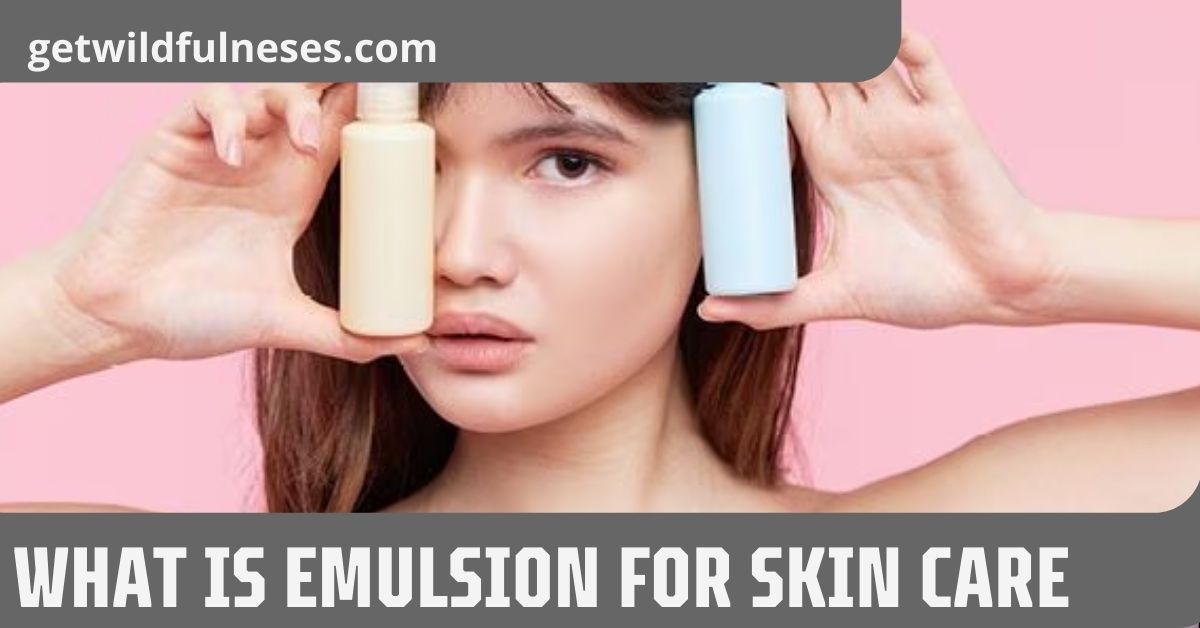
Skin care is one of the fastest-growing industries globally, and people are constantly seeking products that provide hydration, nourishment, and overall skin health. One term that is frequently mentioned in modern skin care but often misunderstood is emulsion. If you have ever asked, what is emulsion for skin care, you are not alone. Many individuals encounter emulsions in lotions, creams, and serums but aren’t sure what makes them different from other skin care formulations. This article will give you a comprehensive understanding of emulsions, their types, benefits, how to use them, and why they are essential in a daily skin care routine.
Understanding Emulsions: The Basics
An emulsion in skin care is a mixture of two liquids that usually do not mix naturally, such as oil and water. In this combination, tiny droplets of one liquid are dispersed throughout another, creating a smooth and uniform product. This is achieved through emulsifiers, which stabilize the mixture and prevent the oil and water from separating.
The primary goal of an emulsion in skin care is to combine the benefits of both water-based and oil-based ingredients. Water provides hydration, while oils deliver nourishment and lock in moisture. The emulsion allows these components to work together efficiently, making it an ideal vehicle for skin care active ingredients like vitamins, antioxidants, and peptides.

How Emulsions Work on the Skin
Emulsions work by delivering active ingredients directly into the skin while maintaining a lightweight and non-greasy texture. The small droplets of oil within the water base penetrate the outer layer of the skin (stratum corneum) more effectively than pure oils alone. This ensures better absorption and prolonged hydration.
When applied, emulsions can help:
- Restore skin barrier function
- Reduce transepidermal water loss (TEWL)
- Deliver nutrients evenly
- Provide a smooth, soft finish without heaviness
This combination of effects makes emulsions a perfect choice for all skin types, including oily and sensitive skin, where heavy creams or pure oils may feel too thick or clog pores.
Also Read: Pappedeckel: The Complete Guide to a Strong, Sustainable Cardboard Material
Types of Emulsions in Skin Care
Emulsions come in various forms, mainly distinguished by the ratio of oil to water and the type of emulsion used. Understanding the different types will help you select the right product for your skin.
Oil-in-Water (O/W) Emulsions
This is the most common type of skin care emulsion. In oil-in-water emulsions, tiny droplets of oil are dispersed in a water base. This makes the product feel light, hydrating, and non-greasy.
Ideal For:
- Normal to oily skin
- Summer or humid climates
- Layering under makeup
Water-in-Oil (W/O) Emulsions
In water-in-oil emulsions, water droplets are dispersed within an oil base. These emulsions feel richer and more nourishing, making them excellent for dry or mature skin. They also create a protective barrier on the skin, which helps retain moisture.
Ideal For:
- Dry or dehydrated skin
- Winter or cold climates
- Overnight or intensive treatment
Multiple Emulsions (O/W/O or W/O/W)
Multiple emulsions are complex formulations that contain both oil-in-water and water-in-oil structures. These are designed for slow release of active ingredients, enhanced hydration, and targeted treatment of specific skin concerns.
Ideal For:
- Anti-aging treatments
- Sensitive or reactive skin
- Specialty skin care products
Key Ingredients Found in Skin Care Emulsions
Skin care emulsions combine the benefits of water-based and oil-based ingredients. Some common components include:
- Water: Hydrates and acts as a base for other ingredients.
- Oils: Such as jojoba, argan, or squalane, to nourish and lock in moisture.
- Emulsifiers: Natural (like lecithin) or synthetic compounds that keep the mixture stable.
- Humectants: Glycerin, hyaluronic acid, or aloe vera to attract water to the skin.
- Active Ingredients: Vitamins (C, E), peptides, niacinamide, or botanical extracts for targeted effects.
The combination of these ingredients ensures emulsions not only hydrate but also deliver therapeutic and protective benefits for the skin.
Benefits of Using Emulsions in Skin Care
Understanding the benefits of emulsions is critical in answering the question what is emulsion for skin care. Here are the main advantages:
Lightweight Hydration
Unlike heavy creams, emulsions are light and easily absorbed, making them ideal for oily or combination skin. They hydrate the skin without leaving a sticky or greasy residue.
Enhanced Nutrient Delivery
Because emulsions blend oil and water, they are an excellent vehicle for active ingredients. Vitamins, antioxidants, and peptides penetrate more efficiently, enhancing the effectiveness of the product.
Suitable for All Skin Types
There is an emulsion for every skin type, from lightweight oil-in-water formulations for oily skin to rich water-in-oil emulsions for dry or mature skin. Multiple emulsions cater to sensitive or reactive skin, offering controlled hydration and nutrient release.
Protective Barrier Function
Water-in-oil emulsions, in particular, provide a protective barrier that prevents moisture loss and shields the skin from environmental stressors such as pollution, harsh weather, and UV exposure.
Versatility in Formulation
Emulsions can serve multiple functions: moisturizer, sunscreen base, anti-aging treatment, and even makeup primer. Their versatility makes them a valuable addition to any skin care routine.
How to Choose the Right Emulsion for Your Skin
Choosing the right emulsion requires understanding your skin type and specific needs:
Also Read: Navigator Pear: This Unique and Flavorful Pear Variety
- Oily or Acne-Prone Skin: Light oil-in-water emulsions that provide hydration without clogging pores.
- Dry or Mature Skin: Rich water-in-oil emulsions to restore moisture and strengthen the skin barrier.
- Sensitive Skin: Multiple emulsions with gentle ingredients and no irritants.
- Combination Skin: Layering a light oil-in-water emulsion in the morning and a richer water-in-oil version at night may work best.
Pay attention to ingredient lists, texture, and product claims. Always patch-test new products to avoid irritation.
How to Incorporate Emulsions into Your Skin Care Routine
Proper application of emulsions enhances their effectiveness. Here’s a step-by-step guide:
- Cleanse your face with a gentle cleanser.
- Tone to balance the skin’s pH and prepare for absorption.
- Apply serum if using active ingredients.
- Apply emulsion: Take a small amount and massage gently onto your face and neck.
- Layer moisturizer or cream if needed: For dry skin, emulsions can be followed by a heavier cream.
- Sunscreen: Always finish with SPF during the day.
For best results, use emulsions consistently, preferably twice a day—morning and night.
Common Myths About Skin Care Emulsions
Despite their benefits, emulsions are often misunderstood. Here are some myths debunked:
- Myth: Emulsions are only for oily skin.
Fact: Emulsions come in many types and are suitable for all skin types. - Myth: They replace moisturizer completely.
Fact: While some emulsions are hydrating enough alone, dry skin often benefits from additional creams. - Myth: Emulsions are only cosmetic, not therapeutic.
Fact: Many emulsions contain active ingredients that can improve skin health and appearance.
Innovations in Emulsion Technology
The skin care industry is evolving rapidly, and emulsions are no exception. Recent innovations include:
- Nano-emulsions: Extremely small droplets that enhance absorption and effectiveness.
- Multiple emulsions: Delivering active ingredients slowly over time for prolonged effect.
- Eco-friendly emulsions: Made from sustainable oils and biodegradable emulsifiers.
- Customizable emulsions: Formulated for specific skin concerns such as pigmentation, sensitivity, or anti-aging.
These innovations make emulsions not just a cosmetic product but a science-backed solution for healthy, glowing skin.
Frequently Asked Questions About Emulsions
Can I use an emulsion every day?
Yes, emulsions are designed for daily use. Apply them morning and night for maximum hydration and nutrient delivery.
Are emulsions suitable for sensitive skin?
Yes, especially multiple emulsions with gentle ingredients. Always check for irritants like alcohol or strong fragrances.
Can emulsions replace my moisturizer?
It depends on your skin type. For oily skin, emulsions may be enough, but dry skin may require an additional cream.
Do emulsions help with acne?
Light oil-in-water emulsions can hydrate without clogging pores, which may improve acne-prone skin. Avoid heavy water-in-oil emulsions if you are prone to breakouts.
Can I layer emulsions with other skin care products?
Absolutely. They work well with serums, toners, and even sunscreens.
What is the difference between emulsion and cream?
Creams are generally thicker and may be oil-dominant. Emulsions are lighter, easier to absorb, and usually water-dominant, making them more suitable for layering.
Are emulsions effective for aging skin?
Yes. Emulsions can deliver anti-aging ingredients like peptides, hyaluronic acid, and antioxidants efficiently.
How do I know if the emulsion is working?
Look for smoother, softer skin, improved hydration, and a healthy glow. Over time, active ingredients can improve tone, texture, and elasticity.
Conclusion
If you have been wondering what is emulsion for skin care, now you have a thorough understanding. Emulsions are versatile, lightweight, and highly effective products that combine the benefits of water and oil. They provide hydration, nourishment, protection, and enhanced delivery of active ingredients, making them suitable for all skin types and skin concerns. By selecting the right emulsion for your skin type and incorporating it into your daily routine, you can achieve healthy, radiant, and balanced skin. Modern emulsions are not just cosmetic—they are a science-backed solution for long-term skin health.
Choosing the right emulsion can transform your skin care routine from basic hydration to a well-rounded treatment that addresses multiple skin needs. Whether your goal is hydration, anti-aging, or sensitive skin care, emulsions offer a flexible and effective solution that continues to evolve with skin care technology.







Leave A Comment