Masgonzola: The Complete Guide to This Unique Blue-Veined Cheese
Masgonzola is a unique blue-veined cheese that is gaining attention among cheese lovers in the United States and around the world. At first glance, masgonzola looks very similar to traditional gorgonzola cheese. Both cheeses feature the classic blue or green veins created by special molds that develop during the aging process. However, masgonzola has its own identity with small but important differences in texture, flavor, and production methods.
In recent years, food enthusiasts, chefs, and specialty food retailers have started to explore masgonzola as a new option in the world of artisanal cheese. Its balanced flavor profile, creamy body, and slightly milder taste make it a versatile ingredient that works well in many dishes.
This article explains everything you need to know about masgonzola. You will learn where it comes from, how it is made, what makes it different from other blue cheeses, how to use it in cooking, and why it is becoming more popular in modern cuisine.
What Is Masgonzola?
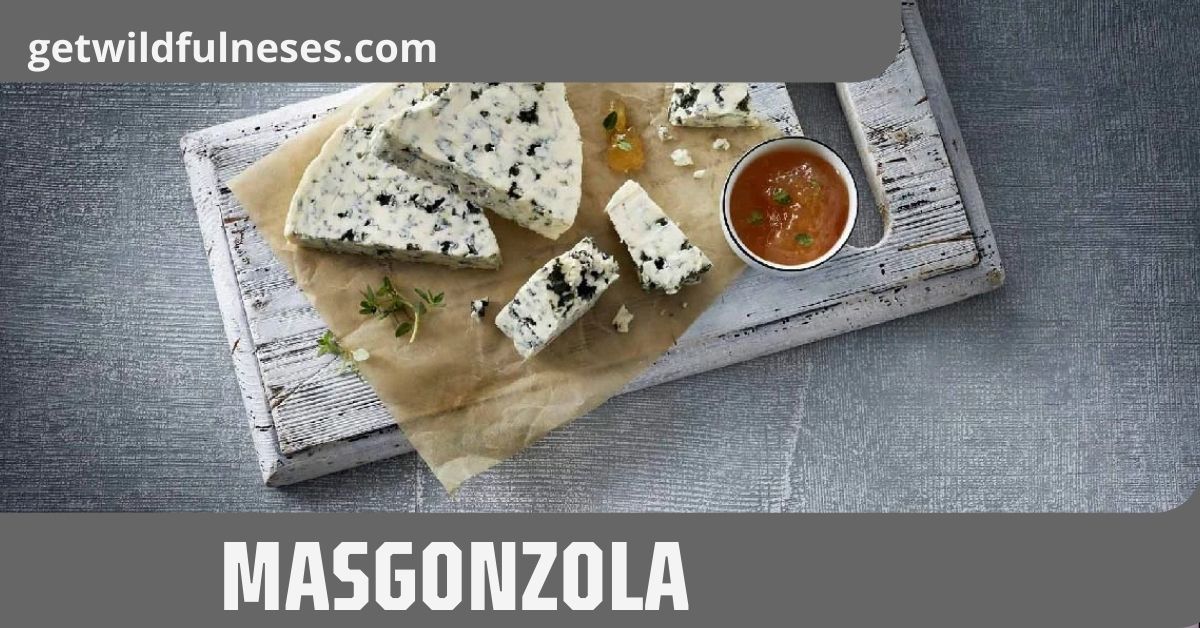
Masgonzola is a type of blue-veined cheese that shares visual similarities with gorgonzola but has a slightly different flavor and texture. Like other blue cheeses, masgonzola develops veins of blue or green mold throughout the cheese during the aging process. These veins give the cheese its distinctive appearance and complex taste.
The main characteristics of masgonzola include:
Creamy and smooth texture
Blue or green mold veins
Mild to medium tangy flavor
Soft but slightly crumbly body
Rich and buttery taste
Masgonzola is often described as a balanced blue cheese. Many blue cheeses can be strong, salty, or sharp. Masgonzola, however, tends to have a softer flavor profile that appeals to a wider audience.

Because of this balance, masgonzola is becoming a favorite choice for people who want to try blue cheese without experiencing an overpowering taste.
The Origins of Masgonzola
The exact origins of masgonzola are not always clearly documented, which adds some mystery to the cheese. Food historians believe that masgonzola developed as a variation or inspired form of traditional blue cheeses.
Cheese makers often experiment with milk sources, aging conditions, and mold cultures to create new styles of cheese. Masgonzola likely emerged from this tradition of innovation in cheese making.
While gorgonzola comes from Italy and roquefort comes from France, masgonzola is generally viewed as a modern interpretation influenced by these classic cheeses. Some specialty producers in Europe and North America have explored producing masgonzola-style cheese to provide a milder and creamier alternative to stronger blue cheeses.
This modern approach to cheese production reflects how the global food industry continues to evolve while respecting traditional techniques.
How Masgonzola Cheese Is Made
The production of masgonzola follows a process similar to other blue-veined cheeses, but the details in aging and texture control give it its special character.
Milk Selection
The process begins with high-quality milk. Most masgonzola cheese is made from cow’s milk, although some artisan producers may experiment with blends.
Also Read: Pappedeckel: The Complete Guide to a Strong, Sustainable Cardboard Material
Fresh milk is essential because it directly affects the final flavor and texture of the cheese.
Pasteurization
In many modern production facilities, the milk is pasteurized to ensure safety and consistency. Pasteurization removes harmful bacteria while maintaining the milk’s nutritional value.
Some small artisan producers may use raw milk, which can add deeper flavor complexity.
Adding Cultures
Cheese makers add starter cultures and enzymes to the milk. These cultures begin the fermentation process, helping the milk transform into curds and whey.
At this stage, a special mold culture is also introduced. This mold is responsible for the blue veins that appear later.
Curd Formation
Once the cultures are added, the milk begins to coagulate. The solid part forms curds, while the liquid part becomes whey.
The curds are carefully cut into small pieces to allow moisture to drain out.
Molding and Draining
The curds are placed into molds that shape the cheese wheels. During this stage, the cheese slowly drains excess whey and begins to form its structure.
Piercing for Mold Development
One of the most important steps in making masgonzola is piercing the cheese with thin needles or metal rods. These small holes allow oxygen to enter the cheese.
The oxygen activates the blue mold, which spreads through the interior and forms the famous veins.
Aging Process
Masgonzola is aged in controlled environments where temperature and humidity are carefully monitored.
During aging, the cheese develops its flavor and creamy texture. Depending on the producer, aging can last several weeks to several months.
The final product is a smooth, flavorful blue-veined cheese with a balanced taste.
Flavor Profile of Masgonzola
Masgonzola has a flavor that many people find more approachable than traditional blue cheeses.
Common flavor notes include:
Creamy and buttery
Slightly tangy
Mild earthy taste
Soft saltiness
Gentle blue cheese sharpness
Unlike very strong blue cheeses, masgonzola rarely has an overwhelming bite. Instead, it provides a balanced mix of richness and subtle tang.
Because of this balanced flavor, masgonzola works well for both beginners and experienced cheese lovers.
Texture and Appearance
Masgonzola is known for its attractive appearance and smooth texture.
Typical characteristics include:
White or pale cream base color
Blue or green mold veins
Soft interior texture
Slightly crumbly edges
Smooth creamy mouthfeel
Some varieties of masgonzola are softer and spreadable, while others are slightly firmer and better for slicing.
The texture often depends on how long the cheese is aged.
Masgonzola vs Traditional Blue Cheese
Many people wonder how masgonzola compares to other blue cheeses.
Flavor Strength
Masgonzola usually has a milder taste than many classic blue cheeses. This makes it easier for new cheese lovers to enjoy.
Texture
Masgonzola tends to be creamier than many strong blue cheeses, which can sometimes be crumbly or dry.
Versatility
Because it has a softer flavor, masgonzola can be used in more types of recipes without overpowering the dish.
Accessibility
Masgonzola is often considered a gateway blue cheese. It introduces people to the blue cheese family in a gentle way.
Nutritional Value of Masgonzola
Masgonzola provides several nutrients that come from milk and the fermentation process.
Typical nutrients include:
Protein
Calcium
Healthy fats
Vitamin A
Vitamin B12
Phosphorus
Like many cheeses, masgonzola should be enjoyed in moderation because it contains fat and sodium. However, when eaten as part of a balanced diet, it can be a nutritious food choice.
Culinary Uses of Masgonzola
Masgonzola is very versatile in the kitchen. Its creamy texture allows it to melt easily and blend into many dishes.
Masgonzola in Salads
One of the most popular ways to use masgonzola is in salads. The cheese adds rich flavor and creamy texture.
It pairs well with:
Mixed greens
Walnuts
Pears
Apples
Honey dressing
The mild tang of masgonzola balances the sweetness of fruits and the crunch of nuts.
Also Read: Navigator Pear: This Unique and Flavorful Pear Variety
Masgonzola in Pasta
Masgonzola melts beautifully, making it ideal for pasta sauces.
Many chefs use it in creamy pasta dishes because it adds depth without overwhelming the sauce.
Common pasta combinations include:
Masgonzola cream sauce
Masgonzola mushroom pasta
Masgonzola and spinach pasta
Masgonzola on Pizza
Masgonzola can add gourmet flavor to pizza.
It pairs especially well with ingredients such as:
Caramelized onions
Prosciutto
Fig jam
Roasted garlic
Even a small amount can transform a simple pizza into a restaurant-style meal.
Masgonzola in Burgers and Sandwiches
Cheese lovers often add masgonzola to burgers and sandwiches.
Its creamy texture melts slightly when heated, creating a rich topping that enhances the overall flavor.
Masgonzola Cheese Boards
Masgonzola works very well on cheese boards.
It pairs beautifully with:
Fresh fruits
Honey
Crackers
Toasted bread
Nuts
Because its flavor is balanced, it complements both sweet and savory items.

Masgonzola Pairing Ideas
Food pairing is an important part of enjoying cheese.
Masgonzola pairs well with many ingredients.
Fruits
Sweet fruits balance the tangy flavor of the cheese.
Popular choices include:
Pears
Apples
Figs
Grapes
Nuts
Crunchy nuts add texture and flavor contrast.
Good options include:
Walnuts
Almonds
Pecans
Honey and Sweet Spreads
Honey, maple syrup, or fruit jams bring out the creamy richness of masgonzola.
Bread and Crackers
Simple bread or crackers allow the cheese to shine without too many competing flavors.
Masgonzola in Modern Culinary Trends
In modern cooking, chefs often explore new ingredients that combine tradition with innovation.
Masgonzola fits well into this trend because it builds on classic blue cheese styles while offering a slightly different experience.
Restaurants and food bloggers are increasingly experimenting with masgonzola in:
Gourmet burgers
Artisan pizzas
Fusion pasta dishes
Creative salads
Luxury appetizers
Its ability to provide bold flavor without overwhelming other ingredients makes it a valuable addition to contemporary cuisine.
How to Store Masgonzola Properly
Proper storage helps maintain the quality and flavor of masgonzola.
The best storage practices include:
Wrap the cheese in wax paper or cheese paper
Place it inside a loose container
Store it in the refrigerator
Keep it away from strong odors
Blue cheeses should be allowed to breathe slightly, so airtight plastic wrapping is not ideal.
When stored properly, masgonzola can stay fresh for several weeks.
Buying Masgonzola Cheese in the United States
Masgonzola may not be as widely available as some other cheeses, but it can still be found in specialty food markets.
Places where you may find masgonzola include:
Artisan cheese shops
Gourmet grocery stores
Farmers markets
Online specialty food retailers
When purchasing masgonzola, look for cheese with even blue veins and a creamy texture.
Avoid cheese that appears overly dry or has a strong ammonia smell.
Why Masgonzola Is Becoming More Popular
Several factors are contributing to the growing popularity of masgonzola.
Milder Flavor
Many people find traditional blue cheese too strong. Masgonzola offers a more balanced alternative.
Culinary Versatility
Its ability to work in many recipes makes it attractive to home cooks and professional chefs.
Growing Interest in Artisan Foods
Consumers today are increasingly interested in unique and artisanal food products.
Masgonzola fits perfectly into this trend.
Social Media and Food Culture
Food influencers and chefs often showcase new ingredients online. This exposure helps introduce masgonzola to a wider audience.
The Future of Masgonzola
As global food culture continues to evolve, cheeses like masgonzola may become more common.
Also Read: Laaster: The Future of Real-Time Adaptive System Design
Cheese producers are constantly experimenting with new techniques, flavors, and aging methods.
In the future, we may see:
New variations of masgonzola
Different milk sources
Unique aging processes
Regional styles of production
These innovations could help masgonzola develop a stronger identity within the cheese world.
Conclusion
Masgonzola is a fascinating addition to the world of blue-veined cheeses. While it resembles gorgonzola in appearance, its mild flavor, creamy texture, and balanced taste give it a distinct identity.
For people who enjoy cheese but want a gentler introduction to blue varieties, masgonzola offers an excellent option. Its versatility in cooking, compatibility with many foods, and growing popularity among chefs make it an exciting ingredient for modern cuisine.
Whether used in salads, pasta dishes, burgers, or cheese boards, masgonzola brings depth and richness without overpowering other flavors. As interest in artisan and specialty foods continues to grow, masgonzola may soon become a well-known name among cheese enthusiasts in the United States and beyond.
FAQs About Masgonzola
What makes masgonzola different from gorgonzola?
Masgonzola looks similar to gorgonzola but usually has a milder flavor and creamier texture. It is often designed to be more balanced and less sharp.
Is masgonzola considered a strong cheese?
Masgonzola is generally milder than many traditional blue cheeses. Most people find it smooth and easy to enjoy.
Can masgonzola be melted?
Yes, masgonzola melts very well. It is commonly used in pasta sauces, pizzas, and creamy dishes.
Is masgonzola safe to eat if it has mold?
Yes. The blue veins in masgonzola are created by safe cheese cultures. These molds are intentionally added during the cheese-making process.
Can people who dislike blue cheese enjoy masgonzola?
Many people who dislike strong blue cheese find masgonzola more enjoyable because the flavor is softer and creamier.
How long does masgonzola last in the refrigerator?
When stored properly, masgonzola can last several weeks in the refrigerator.
Can masgonzola be frozen?
Freezing is possible but not recommended because it may change the texture and make the cheese crumbly.
What foods go best with masgonzola?
Masgonzola pairs well with fruits like pears and apples, nuts such as walnuts, honey, crackers, and artisan bread.