
The navigator pear is a lesser-known but increasingly interesting pear variety that is gaining attention among fruit growers, chefs, and healthy food enthusiasts in the United States. While many people are familiar with popular pear varieties such as Bartlett pear, Anjou pear, and Bosc pear, the navigator pear stands out because of its balanced flavor, appealing appearance, and versatility in cooking and fresh eating.
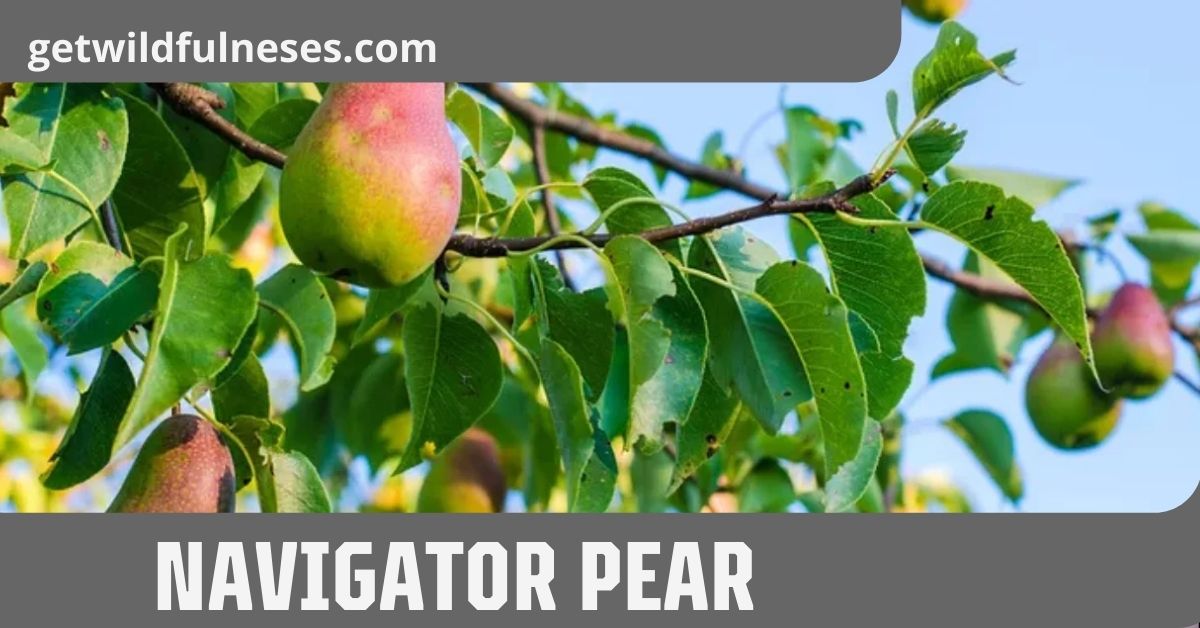
A navigator pear is typically medium to large in size and has a round or slightly oval shape. The skin is usually green, sometimes showing a soft red blush depending on growing conditions and sunlight exposure. The flesh is smooth, juicy, and mildly sweet with subtle floral notes.
As interest in diverse fruit varieties grows across the U.S., the navigator pear is becoming a fruit worth discovering. This guide explains everything you need to know about navigator pear characteristics, taste, nutrition, cultivation, culinary uses, and how it compares to other pears.
What Is a Navigator Pear
The navigator pear refers to a pear cultivar known for its strong growth characteristics, balanced sweetness, and adaptability in different climates. Like most pears, it belongs to the species Pyrus communis, the European pear family.
Unlike mass-market pear varieties that dominate grocery stores, the navigator pear is sometimes grown by specialty orchards or smaller farms interested in unique fruit selections. These growers often look for pears that provide a good combination of taste, storage ability, and resistance to common plant diseases.
The navigator pear is appreciated for its pleasant texture and consistent shape, which makes it useful both for fresh markets and culinary applications.
Key Characteristics of the Navigator Pear
Understanding the defining traits of the navigator pear helps explain why it is valued among growers and consumers.
Size and Shape
A typical navigator pear is medium to large. Its form is usually round or slightly oval rather than the classic bell shape seen in some pears. This shape makes the fruit easier to slice and present in culinary dishes.
Skin Color
The skin of the navigator pear is mainly green. In many cases, especially when grown in areas with strong sunlight, the fruit develops a soft red blush on one side. This blush adds visual appeal and helps the fruit stand out in markets.
Flesh Texture
Navigator pear flesh is smooth and juicy. It tends to be less grainy than some traditional pears, offering a more refined eating experience. When fully ripe, the flesh becomes tender but still maintains structure.
Flavor Profile
The flavor of the navigator pear is balanced and mild. It combines gentle sweetness with light floral notes and a refreshing finish. This balanced flavor makes it suitable for both sweet and savory dishes.
Ripening Behavior
Like most European pears, the navigator pear is typically harvested when mature but not fully ripe. It then ripens after harvest at room temperature. This process allows the fruit to develop its best texture and flavor.
Origin and Development of the Navigator Pear
Although the navigator pear is not as historically famous as varieties like Comice pear, its development follows the same agricultural tradition used to produce modern fruit cultivars.
Fruit breeders and orchard specialists often create new pear varieties by selecting trees with desirable traits such as
high yield
good flavor
disease resistance
long storage life
climate adaptability
Through careful cultivation and testing, promising varieties like the navigator pear can emerge as useful additions to the agricultural landscape.
In recent years, the U.S. fruit industry has shown growing interest in expanding pear diversity, and varieties like the navigator pear reflect that trend.
Also Read: Laaster: The Future of Real-Time Adaptive System Design
Nutritional Benefits of Navigator Pear
One of the biggest reasons people enjoy pears is their impressive nutritional value. The navigator pear provides many of the same health benefits found in other pears.
Rich in Dietary Fiber
Pears are among the best fruits for dietary fiber. A single medium pear can provide around 20 percent of the recommended daily fiber intake.
Fiber supports digestive health, helps regulate blood sugar levels, and contributes to long-lasting fullness after meals.
Excellent Source of Vitamin C
Navigator pear contains vitamin C, which plays an important role in immune support, skin health, and tissue repair.
Vitamin C also functions as an antioxidant that protects the body from harmful free radicals.
Natural Antioxidants
The green skin of the navigator pear contains beneficial plant compounds such as flavonoids and polyphenols. These compounds may help reduce inflammation and support heart health.
Low in Calories
Navigator pear is naturally low in calories and contains no fat or cholesterol. This makes it a healthy snack choice for people who want nutritious food without excess calories.
Hydration Support
Like many fresh fruits, pears contain a high amount of water. Eating navigator pear helps maintain hydration while providing essential nutrients.
Taste and Texture Experience
The navigator pear offers a taste experience that is both refreshing and satisfying.
When fully ripe, the flesh becomes buttery and juicy. The sweetness is gentle rather than overwhelming, making the fruit enjoyable for people who prefer balanced flavors.
Compared with some pears that become extremely soft, the navigator pear often keeps a slightly firm texture. This quality makes it ideal for slicing into salads, serving with cheese, or cooking in various recipes.
Many chefs appreciate pears that maintain structure after cooking, and the navigator pear performs well in this area.
How Navigator Pear Compares to Popular Pear Varieties
To better understand the navigator pear, it helps to compare it with well-known varieties.
Navigator Pear vs Bartlett Pear
Bartlett pear is one of the most common pears in the United States. It has a classic pear shape and very juicy flesh.
Navigator pear tends to be slightly firmer and more balanced in sweetness. While Bartlett pears are often used for canning and desserts, navigator pears work well for both cooking and fresh eating.
Navigator Pear vs Bosc Pear
Bosc pear has a long neck and brown skin with a firm texture.
Navigator pear usually has smoother skin and a rounder shape. It is also softer when ripe, giving it a more delicate mouthfeel.
Navigator Pear vs Anjou Pear
Anjou pear is round and green with mild sweetness.
Navigator pear is similar in appearance but often develops a light red blush and can have a slightly more complex flavor.
Growing Navigator Pear Trees
For orchard owners and home gardeners, growing navigator pear trees can be a rewarding experience.
Climate Requirements
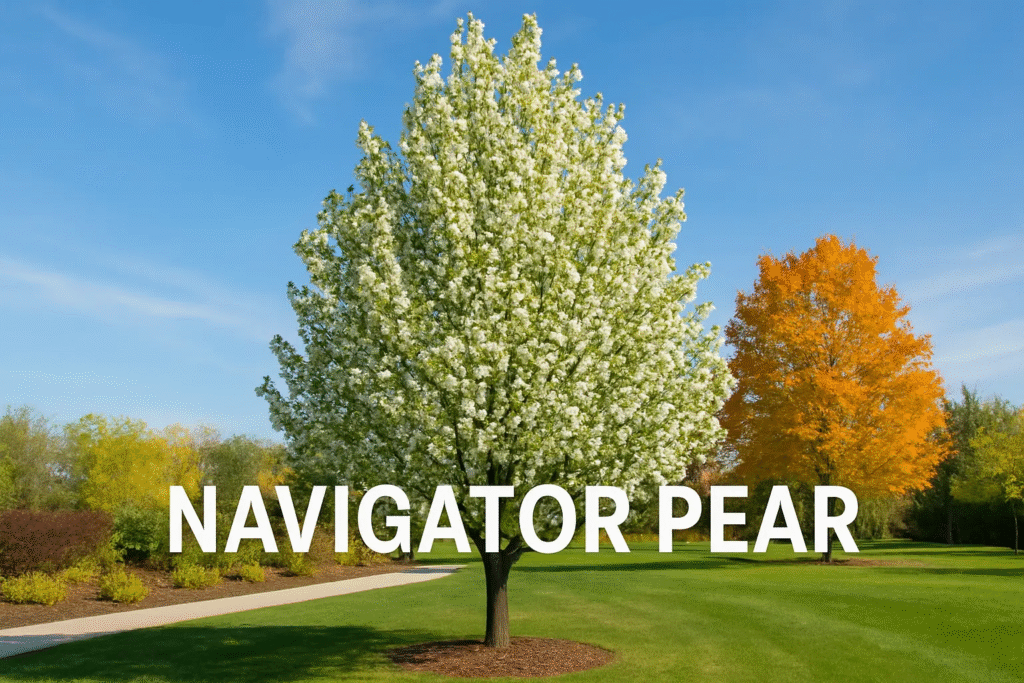
Navigator pear trees grow best in temperate climates with cold winters and mild summers. These conditions allow the trees to complete their natural dormancy cycle.
Many pear orchards in the United States are located in regions such as
the Pacific Northwest
California
Michigan
New York
Oregon
These areas provide suitable climates for many pear varieties.
Soil Conditions
Navigator pear trees prefer well-drained soil rich in organic matter. Good drainage prevents root diseases and supports strong tree growth.
The ideal soil pH for pear trees usually ranges between 6.0 and 7.0.
Sunlight Needs
Full sunlight is important for healthy fruit production. Navigator pear trees should receive at least six to eight hours of direct sunlight each day.
Sun exposure also helps develop the red blush on the fruit skin.
Pollination
Most pear trees require cross-pollination with another pear variety to produce fruit.
Planting navigator pear trees near compatible pear varieties improves pollination success and increases yield.
Bees and other pollinators play a major role in this process.
Harvesting Navigator Pear
Harvesting pears at the correct time is essential for the best quality fruit.
Navigator pears are usually picked when they are mature but still firm. Unlike apples, pears often ripen better after harvest.
Growers determine harvest time based on several indicators
seed color
fruit firmness
days after flowering
overall fruit size
Once harvested, navigator pears can ripen at room temperature over several days.
Storage and Shelf Life
Navigator pears store well under proper conditions.
Freshly harvested pears can be stored in refrigerated environments to slow ripening. This technique allows orchards and distributors to extend the fruit’s availability.
When ready to eat, pears can be placed at room temperature to soften and develop full flavor.
Proper storage helps reduce food waste and ensures consumers receive high-quality fruit.
Culinary Uses of Navigator Pear
The navigator pear is extremely versatile in the kitchen. Its balanced flavor and firm texture allow it to work in many recipes.
Fresh Eating
One of the best ways to enjoy navigator pear is simply eating it fresh. Slice the fruit and enjoy its natural sweetness as a snack or breakfast addition.
Salads
Navigator pear slices add freshness and sweetness to salads. They pair especially well with leafy greens, nuts, and cheeses.
Cheese Pairings
Pears are famous companions for cheese boards. Navigator pear pairs nicely with cheeses such as
Brie cheese
Gorgonzola
Cheddar cheese
The fruit’s sweetness balances the rich and salty flavors of these cheeses.
Baking
Navigator pear works well in baked goods including
pear pies
pear tarts
pear muffins
fruit cakes
Its texture holds shape during baking while adding natural sweetness.
Poached Pears
Poaching pears in wine or syrup is a classic dessert technique. Navigator pears absorb flavors beautifully during poaching.
Savory Dishes
Chefs often add pears to savory meals such as roasted meat dishes or grain bowls. The fruit adds brightness and contrast to rich foods.
Navigator Pear in Modern Healthy Diets
As more Americans focus on healthy eating, fruits like the navigator pear are gaining attention.
Whole fruits are recommended by many nutrition experts because they provide natural fiber and nutrients without added sugars.
Navigator pears fit well into many eating patterns including
Mediterranean-style diets
plant-based diets
balanced whole-food diets
They also make excellent alternatives to processed snacks.
Sustainability and Pear Farming
Modern pear farming practices increasingly emphasize sustainability.
Growers may use integrated pest management methods to reduce pesticide use while protecting crops.
Efficient irrigation systems help conserve water, which is particularly important in regions where agriculture competes with limited water resources.
Growing diverse pear varieties, including navigator pear, can also improve orchard resilience by reducing dependence on a single fruit cultivar.
Also Read: JR Geo: A Modern Geospatial Mapping, Data Analysis, and Geographic Intelligence
Market Potential of Navigator Pear
Specialty fruits often create new opportunities for farmers and retailers.
Navigator pear may appeal to consumers looking for unique fruit varieties beyond common grocery store options.
Farmers markets, specialty produce stores, and gourmet restaurants are often early adopters of such varieties.
As consumer curiosity grows, fruits like navigator pear can gradually become more recognized in the wider market.
Tips for Choosing the Best Navigator Pear
When selecting navigator pears, consider the following tips
Look for smooth skin without major bruises
Check for a gentle aroma near the stem
Press lightly near the neck of the pear to test ripeness
If the neck yields slightly to pressure, the pear is likely ready to eat.
How to Ripen Navigator Pear at Home
If your navigator pear is still firm, ripening it at home is simple.
Place the pear in a fruit bowl at room temperature for a few days. To speed up ripening, store it near bananas or apples. These fruits release natural ethylene gas that encourages ripening.
Once ripe, pears can be stored in the refrigerator to slow further softening.
The Future of Navigator Pear
Fruit breeding and agricultural research continue to expand the range of pear varieties available to consumers.
Navigator pear represents the kind of fruit that may gain attention as people explore new flavors and healthier food choices.
With its pleasant taste, versatile culinary uses, and strong nutritional value, the navigator pear has the potential to become more widely appreciated in the years ahead.
Frequently Asked Questions About Navigator Pear
What does a navigator pear taste like?
Navigator pear has a mild, balanced sweetness with a juicy texture and light floral flavor. It is less intense than some pears but very refreshing.
Is navigator pear good for cooking?
Yes. Navigator pear holds its shape well during cooking, making it suitable for baking, roasting, and poaching recipes.
Where can you buy navigator pear?
Navigator pears may be found in specialty fruit markets, farmers markets, or orchards that grow diverse pear varieties. Availability may vary depending on region and season.
Are navigator pears healthy?
Yes. Navigator pears are rich in fiber, contain vitamin C, and provide antioxidants while remaining low in calories.
How long does a navigator pear take to ripen?
After harvest, navigator pears usually ripen within three to five days at room temperature.
Can you grow a navigator pear tree at home?
Yes. If you live in a suitable climate with enough winter chill and sunlight, navigator pear trees can be grown in home orchards or gardens.
Is navigator pear suitable for children?
Yes. The soft texture and mild sweetness make navigator pears a good fruit option for children.
Can navigator pears be used in smoothies?
Yes. Their juicy texture blends well with other fruits in smoothies and fruit bowls.
Are navigator pears seasonal?
Most pears are harvested in late summer through early fall in many regions, although storage methods can extend availability.
Do navigator pears need refrigeration?
Refrigeration slows ripening and helps extend shelf life after the fruit becomes ripe.
Final Thoughts
The navigator pear is a fascinating fruit that deserves more recognition among American consumers. With its appealing appearance, balanced flavor, and versatile culinary uses, it offers a unique alternative to common pear varieties.
Whether enjoyed fresh, baked into desserts, or paired with cheese, the navigator pear delivers both taste and nutrition. As fruit lovers continue exploring new varieties, the navigator pear may become an increasingly valued addition to orchards, markets, and home kitchens across the United States.









Leave A Comment