
JR Geo: A Modern Geospatial Mapping, Data Analysis, and Geographic Intelligence
In today’s digital world, location data plays a major role in decision-making. Businesses, governments, and researchers rely on geographic information to understand patterns, improve planning, and solve real-world problems. One concept that has gained attention in this field is jr geo.
The term jr geo generally refers to a geospatial system, platform, or technological approach focused on geographic data, mapping tools, and spatial analysis. These systems help people collect, analyze, and visualize data connected to specific locations on Earth.
With the rise of satellite technology, cloud computing, and artificial intelligence, jr geo solutions are becoming more powerful and accessible. They allow users to study land use, monitor environmental changes, plan cities, track resources, and even improve business strategies.
This article explains everything you need to know about jr geo, including its meaning, core technology, applications, benefits, future potential, and how it fits into the broader world of geographic information systems.
Understanding the Meaning of JR Geo
At its core, jr geo relates to the use of geographic information combined with digital tools to analyze spatial data. Spatial data refers to information that includes a location on Earth, such as coordinates, addresses, or map positions.
The concept of jr geo typically involves several components:
Geographic data collection
Mapping and visualization
Spatial analysis and modeling
Location-based decision making
Instead of simply showing maps, jr geo platforms analyze patterns and relationships between locations. For example, they can show how population growth affects city infrastructure or how climate change impacts specific regions.
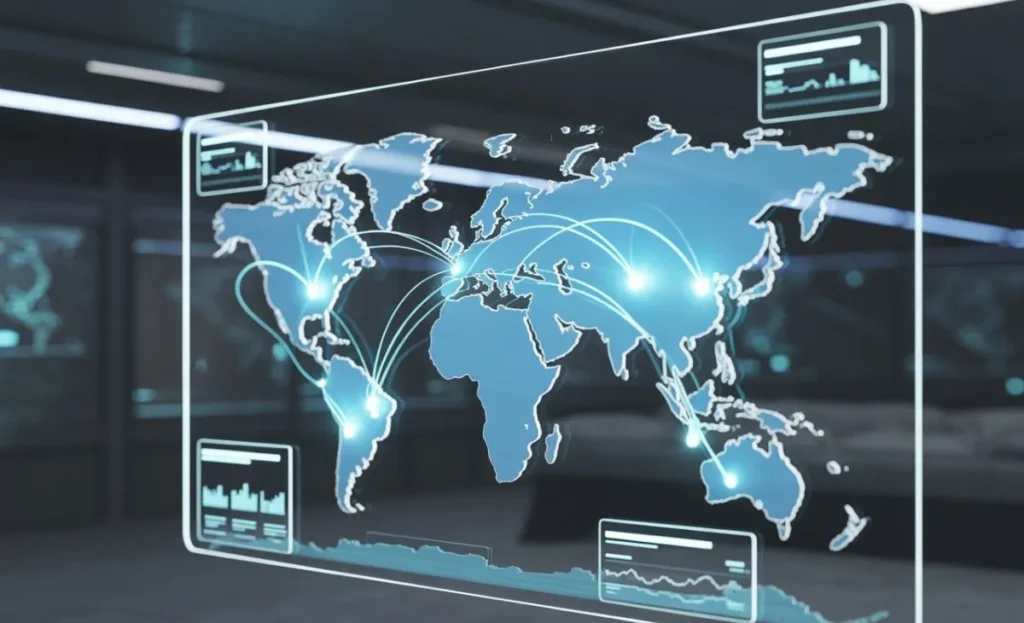
Because of these capabilities, jr geo systems are used across many industries including transportation, agriculture, environmental science, logistics, and urban development.
The Evolution of Geospatial Technology
To understand the importance of jr geo, it is helpful to look at how geospatial technology has evolved over time.
Early Mapping
For centuries, maps were created manually by cartographers using physical measurements and observations. While useful, these maps had limited accuracy and were difficult to update.
Digital Mapping Era
In the late 20th century, computers transformed mapping into digital formats. Geographic Information Systems (GIS) allowed researchers to store geographic data electronically and analyze it with software tools.
Satellite and GPS Revolution
The development of satellites and GPS technology greatly improved the accuracy of geographic data. Real-time location tracking became possible, opening the door for advanced spatial analysis.
Modern Geospatial Intelligence
Today, jr geo represents a modern phase of geospatial innovation. It combines cloud computing, big data analytics, remote sensing, and machine learning to deliver powerful geographic insights.
Key Components of JR Geo Systems
A typical jr geo platform includes several important technological elements.
Geographic Data Collection
The first step in any geospatial system is collecting location data. jr geo platforms gather data from multiple sources such as:
Satellites
Drones
GPS devices
Mobile applications
Survey equipment
Government geographic databases
This information creates the foundation for geographic analysis.
Data Processing and Integration
After collection, raw geographic data must be organized and processed. jr geo systems convert this information into usable formats and combine data from different sources.
For example, satellite imagery may be merged with population data and transportation maps to create a complete geographic model.
Mapping and Visualization
One of the most visible features of jr geo platforms is map visualization. These tools transform complex data into clear visual maps that users can easily understand.
Interactive maps allow users to zoom, filter information, and explore geographic patterns in real time.
Spatial Analysis
The most powerful feature of jr geo is spatial analysis. This process identifies relationships between locations and data points.
Examples include:
Finding areas with high population growth
Identifying flood-risk zones
Tracking disease spread
Analyzing traffic patterns
Spatial analysis helps organizations make better decisions based on geographic insights.
Core Technologies Behind JR Geo
Modern jr geo systems rely on several advanced technologies.
Geographic Information Systems
GIS software forms the backbone of most jr geo platforms. It stores geographic data, manages spatial databases, and supports mapping tools.
GIS allows users to layer different types of data on a single map to identify patterns.
Remote Sensing
Remote sensing technology collects geographic data from satellites and aerial sensors. This information helps monitor environmental conditions such as vegetation, water levels, and land use changes.
Cloud Computing
Cloud platforms allow jr geo systems to store massive amounts of geographic data and process it quickly. Users can access mapping tools online without needing expensive hardware.
Artificial Intelligence
Artificial intelligence helps automate data analysis in jr geo platforms. AI algorithms can detect patterns, predict trends, and identify geographic changes faster than manual analysis.
Internet of Things
Sensors connected through the Internet of Things provide real-time geographic data. These sensors can monitor traffic flow, weather conditions, and environmental changes.
Major Applications of JR Geo
The flexibility of jr geo technology allows it to be used in many different fields.
Urban Planning and Smart Cities
City planners use jr geo tools to design smarter and more efficient urban environments. Mapping population density, transportation networks, and infrastructure helps planners make informed decisions.
For example, spatial analysis can identify the best locations for new schools, hospitals, or public transportation routes.
Environmental Monitoring
Environmental scientists rely on jr geo to monitor ecosystems and track climate changes.
Satellite data combined with geographic analysis can detect deforestation, monitor wildlife habitats, and track pollution levels.
Agriculture and Precision Farming
Farmers use jr geo technology to improve crop production. Geographic data helps identify soil conditions, irrigation needs, and crop health.
Precision agriculture allows farmers to apply water and fertilizer only where needed, increasing efficiency and reducing environmental impact.
Disaster Management
Emergency response teams use jr geo systems to prepare for and respond to natural disasters.
Mapping flood zones, wildfire risks, and earthquake impacts helps governments plan evacuation routes and allocate resources effectively.
Logistics and Transportation
Transportation companies depend on geographic data to optimize routes and reduce delivery times.
jr geo analysis can identify traffic patterns, road conditions, and transportation demand to improve logistics efficiency.
Business and Market Analysis
Businesses use jr geo insights to understand customer behavior and market opportunities.
Retail companies analyze geographic data to choose store locations, target marketing campaigns, and study regional buying patterns.
Benefits of Using JR Geo Systems
Organizations adopt jr geo solutions because they provide several important advantages.
Better Decision Making
Geographic analysis helps leaders make decisions based on real data rather than assumptions.
Improved Efficiency
Mapping tools reveal inefficiencies in infrastructure, transportation, and resource management.
Cost Reduction
Optimizing routes, resources, and planning can significantly reduce operational costs.
Real-Time Insights
Modern jr geo systems provide real-time updates from sensors and satellite data.
Enhanced Visualization
Interactive maps make complex data easier to understand for both experts and non-technical users.
JR Geo and Data Accuracy
One critical factor in geospatial analysis is accuracy. Reliable jr geo systems use several techniques to ensure data precision.
Satellite calibration ensures accurate imagery.
GPS correction methods improve location accuracy.
Data validation processes check for errors or inconsistencies.
Accurate geographic data is essential for applications such as disaster response, infrastructure planning, and environmental protection.
Challenges Facing JR Geo Technology
Although jr geo systems offer many benefits, they also face several challenges.
Data Privacy Concerns
Location data can reveal sensitive personal information. Organizations must follow strict privacy regulations when collecting and analyzing geographic data.
Data Complexity
Geospatial data sets are often extremely large and complex. Managing and processing this information requires advanced technology and skilled professionals.
Integration Issues
Combining geographic data from multiple sources can be difficult due to different formats and standards.
High Initial Costs
Building a full geospatial infrastructure may require significant investment in software, hardware, and training.
Future Trends in JR Geo Technology
The future of jr geo looks promising as new technologies continue to improve geographic analysis.
Artificial Intelligence Mapping
AI will play a bigger role in automated mapping and predictive geographic modeling.
Real-Time Earth Monitoring
Satellite constellations and IoT sensors will provide continuous monitoring of environmental and infrastructure changes.
Digital Twins
Cities and regions may create digital twin models using jr geo data. These virtual models simulate real environments for planning and testing new ideas.
Augmented Reality Mapping
AR technology may allow users to view geographic data directly over real landscapes through smart devices.
Global Collaboration
Cloud platforms will enable researchers and organizations worldwide to share geographic insights more easily.
How Organizations Can Implement JR Geo
Businesses and institutions interested in jr geo can follow several steps to begin using geospatial technology.
First, identify the type of geographic data needed for decision making.
Second, choose appropriate GIS software or mapping platforms.
Third, collect reliable geographic data from trusted sources.
Fourth, train staff to analyze spatial information effectively.
Finally, integrate geographic insights into everyday operations and planning.
Organizations that adopt geospatial thinking early often gain a competitive advantage.
Best Practices for Using JR Geo Effectively
To get the most value from jr geo, organizations should follow several best practices.
Focus on high-quality data sources
Maintain regular data updates
Use visualization tools for communication
Protect sensitive location information
Combine geographic analysis with business intelligence
These practices ensure that geospatial insights remain accurate and useful.
JR Geo in the United States Market
In the United States, geospatial technology is widely used by government agencies, research institutions, and private companies.
Urban planning departments use mapping tools for infrastructure development. Environmental organizations rely on geographic data for conservation projects. Retail companies analyze regional markets using spatial insights.
Because the U.S. has a strong technology ecosystem, the adoption of jr geo solutions continues to grow rapidly.
Why JR Geo Matters in the Digital Age
Location intelligence has become one of the most valuable forms of data in the modern world.
Understanding where events occur often explains why they occur. Geographic analysis helps reveal patterns that might otherwise remain hidden.
From climate science to supply chain management, jr geo tools provide a deeper understanding of how the physical world interacts with human activity.
Conclusion
The concept of jr geo represents the growing importance of geographic intelligence in modern society. By combining mapping technology, spatial analysis, and advanced data processing, jr geo systems allow organizations to understand the world in powerful new ways.
As technology continues to evolve, geospatial platforms will become even more accurate, accessible, and valuable. Businesses, governments, and researchers that invest in geographic intelligence today will be better prepared to solve tomorrow’s challenges.
Whether it is improving city planning, protecting natural resources, optimizing transportation, or analyzing markets, jr geo technology is shaping the future of data-driven decision making.
FAQs About JR Geo
What does JR Geo mean?
JR Geo generally refers to a geospatial system or concept focused on geographic mapping, spatial analysis, and location-based data insights.
How is JR Geo different from traditional mapping?
Traditional maps only display locations, while jr geo platforms analyze geographic data to reveal patterns, relationships, and trends.
Who uses JR Geo technology?
Urban planners, environmental scientists, businesses, government agencies, farmers, and transportation companies all use jr geo tools.
Is JR Geo the same as GIS?
GIS is a specific type of geographic information software, while jr geo may represent a broader concept that includes GIS along with other geospatial technologies.
Can small businesses benefit from JR Geo?
Yes. Small businesses can use geographic analysis to identify customer locations, choose store sites, and optimize delivery routes.
What industries rely the most on JR Geo?
Industries such as urban development, agriculture, logistics, environmental research, and disaster management rely heavily on jr geo insights.
Does JR Geo require advanced technical skills?
Basic mapping tools are easy to use, but advanced spatial analysis may require training in geospatial technology or data science.
What is the future of JR Geo technology?
Future developments will likely include AI-powered mapping, real-time satellite monitoring, digital twin cities, and more advanced location intelligence systems.