

In the mountains of South America, many small towns keep ancient traditions alive. One such place is uncuymaza, a quiet and fascinating town located in the beautiful country of Peru. While famous destinations like Machu Picchu attract millions of tourists each year, places like uncuymaza remain largely unknown to the outside world.
Uncuymaza is not just another small town. It represents history, culture, and the deep connection between people and nature. Visitors who discover uncuymaza often say it feels like stepping into a living story where traditions, landscapes, and community life blend together.
In recent years, interest in authentic travel experiences has grown across the United States and other parts of the world. Many travelers now want to explore places that are less crowded and more connected to local culture. Uncuymaza fits perfectly into this new style of travel.
This guide explains everything you need to know about uncuymaza. You will learn about its history, culture, natural beauty, traditions, local lifestyle, and why it is slowly becoming a destination for curious travelers.
The goal of this article is to give readers a clear, easy-to-understand explanation of uncuymaza while providing deeper insights that go beyond basic travel descriptions.
Where Uncuymaza Is Located
Uncuymaza is located in the Andean region of Peru, a country known for its mountains, ancient civilizations, and rich cultural diversity. The Andes mountain range runs across Peru and has shaped the lives of people in the region for thousands of years.
Although uncuymaza is not widely known internationally, it exists within the cultural landscape influenced by the historic Inca Empire. The Incas built advanced agricultural systems, stone roads, and impressive cities across the Andes. Many small towns today, including uncuymaza, still carry the legacy of that civilization.
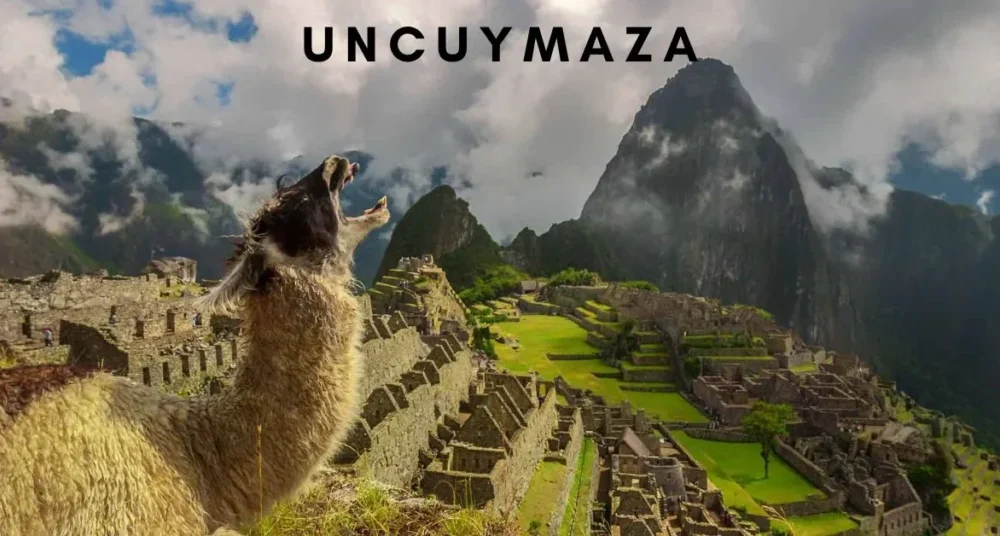
The geography around uncuymaza is breathtaking. High mountains, deep valleys, and green terraces surround the town. These landscapes create an environment that feels peaceful and timeless.
Because of its location in the Andes, uncuymaza also experiences unique weather patterns. Days are often sunny and pleasant, while nights can be cool due to the altitude. The climate supports farming and traditional agriculture, which remain central to local life.
The Meaning and Origins of the Name Uncuymaza
The name uncuymaza is believed to have roots in indigenous languages spoken in the Andes. Many place names in Peru come from Quechua, the language historically used by the Inca civilization.
Although the exact translation of uncuymaza is debated, some historians believe the name may relate to land, community, or natural features in the region. Indigenous place names often describe landscapes such as mountains, rivers, or fertile valleys.
Names like uncuymaza carry historical meaning. They remind us that these lands were home to communities long before modern borders and modern tourism existed.
Understanding the origin of the name uncuymaza helps us appreciate how language, geography, and culture are deeply connected in the Andes.
A Brief History of Uncuymaza
The history of uncuymaza likely began centuries ago, long before European contact with South America. Indigenous communities settled in the Andes because the land offered water, fertile soil, and protection from harsh environments.
Also Read: gldyql: The Intelligent Growth Framework Transforming Modern Startups
During the time of the Inca Empire, the region around uncuymaza would have been part of a large network of agricultural communities. The Incas built roads and terraces that allowed people to farm high mountain slopes effectively.
In the 16th century, the arrival of Spanish explorers changed life across Peru. Indigenous towns experienced new political systems, religion, and economic structures. Despite these changes, many communities managed to preserve their traditional identity.
Uncuymaza appears to be one of those places where traditions survived. Local culture today still reflects ancient customs mixed with later influences from colonial history.
This combination of past and present makes uncuymaza historically valuable and culturally rich.
Natural Beauty Surrounding Uncuymaza
Nature is one of the most powerful attractions of uncuymaza. The town sits within a landscape shaped by mountains, rivers, and highland ecosystems.
The Andean region is known for dramatic scenery. In uncuymaza, visitors can see tall peaks rising above valleys, terraced farms carved into hillsides, and clear skies that create stunning views.
Wildlife also plays an important role in the ecosystem. Birds, small mammals, and unique plant species thrive in the mountain environment. Some animals commonly associated with the Andes include the Llama and the Alpaca, which have been domesticated for centuries.
These animals are not only important to local agriculture but also part of traditional clothing production because their wool is used to make textiles.
The natural environment around uncuymaza encourages outdoor activities such as hiking, photography, and cultural exploration. Visitors often describe the area as peaceful and deeply inspiring.
Daily Life in Uncuymaza
Life in uncuymaza moves at a slower pace compared to big cities. The community is close-knit, and people often know each other well.
Many residents work in agriculture. Farming remains the foundation of the local economy. Crops are grown on mountain terraces that have been used for generations.
Common crops in Andean regions include potatoes, corn, and quinoa. In fact, the grain known worldwide as Quinoa originally came from the Andes and has been cultivated there for thousands of years.
Daily routines in uncuymaza often involve farming activities, caring for animals, preparing food, and participating in community events.
Families also pass down knowledge through generations. Skills such as weaving, farming techniques, and traditional cooking are learned at home rather than in formal institutions.
This lifestyle creates strong cultural continuity and helps preserve the identity of uncuymaza.
Traditional Culture and Customs
Culture in uncuymaza reflects a mix of ancient Andean traditions and later influences. Music, clothing, festivals, and storytelling all play important roles in community life.
Traditional clothing is often handmade using alpaca or sheep wool. The colors and patterns in these textiles may represent family heritage or regional identity.
Music is another important cultural element. Local instruments such as pan flutes and drums are commonly used during celebrations.
Festivals bring the entire community together. These events may celebrate agricultural seasons, religious holidays, or historical traditions.
Food is also a strong cultural symbol. Local dishes often use ingredients grown nearby. Meals are usually shared with family and neighbors, strengthening community bonds.
Also Read: Masgonzola: The Complete Guide to This Unique Blue-Veined Cheese
Through these customs, uncuymaza continues to preserve its cultural identity in a rapidly changing world.
Why Uncuymaza Is Gaining Attention
In the past, only researchers or adventurous travelers visited places like uncuymaza. However, tourism trends are changing.
Many people today want experiences that feel authentic rather than commercialized. Instead of visiting only famous landmarks, travelers are exploring smaller communities where they can learn about local culture.
Uncuymaza offers exactly this type of experience.
Visitors can interact with residents, learn about traditional farming, explore mountain landscapes, and experience everyday life in the Andes.
Another reason uncuymaza is gaining attention is the growing interest in sustainable travel. Travelers are becoming more aware of environmental protection and cultural respect.
Small towns like uncuymaza often promote eco-friendly tourism practices that protect both nature and community traditions.
The Role of Agriculture in Uncuymaza
Agriculture remains the backbone of uncuymaza’s economy. Farming techniques used here are often based on knowledge passed down through generations.
One remarkable feature of Andean agriculture is terrace farming. Terraces are steps carved into mountains that prevent soil erosion and help manage water flow.
This technique was perfected by the Inca Empire and is still used today.
Farmers in uncuymaza grow a variety of crops adapted to high altitudes. Potatoes are particularly important. Peru is actually home to thousands of potato varieties.
Quinoa, maize, and beans are also commonly grown.
Agriculture in uncuymaza is not only about food production but also about cultural identity. Farming traditions connect modern communities to their ancient heritage.
Travel Experiences in Uncuymaza
Travelers who visit uncuymaza often describe the experience as meaningful and memorable.
Instead of crowded tourist attractions, visitors find peaceful landscapes and welcoming communities.
Activities may include hiking mountain trails, visiting local farms, learning traditional weaving, or exploring nearby archaeological sites.
Travelers interested in photography often find uncuymaza particularly inspiring because the scenery and cultural life provide unique subjects.
Another important experience is simply spending time with local families. Sharing meals, conversations, and stories can create deeper cultural understanding.
For many visitors, these personal connections become the most valuable part of their journey.
Challenges Facing Uncuymaza
Like many rural communities, uncuymaza faces challenges in the modern world.
Young people sometimes move to cities in search of education or employment opportunities. This migration can lead to population decline in small towns.
Climate change is another challenge affecting mountain communities. Changes in rainfall patterns or temperature can influence agriculture.
Infrastructure development also remains limited in many rural areas. Transportation, healthcare access, and education resources may not be as advanced as in larger cities.
However, communities like uncuymaza continue to adapt while trying to preserve their traditions and environment.
The Future of Uncuymaza
The future of uncuymaza may depend on a balance between tradition and development.
Sustainable tourism could help support the local economy while protecting cultural heritage. If managed carefully, tourism can create income without damaging the environment.
Education and technology may also help younger generations remain connected to their communities while exploring new opportunities.
Many experts believe small cultural towns like uncuymaza play an important role in preserving global diversity.
In a world that is becoming more connected and more urbanized, places like uncuymaza remind us of the value of cultural roots and traditional knowledge.
Why Uncuymaza Matters in Today’s World
Uncuymaza represents more than a geographical location. It represents a living culture shaped by history, nature, and community values.
Studying and visiting places like uncuymaza helps people understand how ancient traditions continue to influence modern societies.
It also highlights the importance of protecting cultural heritage and natural landscapes.
For travelers, researchers, and cultural enthusiasts, uncuymaza offers a chance to see a different side of Peru beyond famous landmarks.
Also Read: Pappedeckel: The Complete Guide to a Strong, Sustainable Cardboard Material
Frequently Asked Questions About Uncuymaza
What is uncuymaza?
Uncuymaza is a small cultural town located in the Andean region of Peru. It is known for its traditional lifestyle, beautiful mountain scenery, and connection to ancient Andean heritage.
Why is uncuymaza becoming popular?
Uncuymaza is gaining attention because travelers are increasingly interested in authentic cultural experiences. Visitors want to explore local traditions, nature, and community life beyond typical tourist destinations.
What kind of culture exists in uncuymaza?
The culture in uncuymaza includes traditional farming, handmade textiles, local festivals, and community celebrations influenced by indigenous Andean heritage.
What language do people speak in uncuymaza?
Residents often speak Spanish along with indigenous languages such as Quechua, which has been used in the Andes for centuries.
Is uncuymaza safe for travelers?
Like many rural communities, uncuymaza is generally peaceful and welcoming. Travelers who respect local customs and culture usually have positive experiences.
What activities can visitors do in uncuymaza?
Visitors can hike in the mountains, explore local farms, learn traditional crafts, experience Andean cuisine, and participate in community festivals.
How does uncuymaza support sustainable tourism?
Many rural communities in Peru encourage responsible tourism that protects nature and supports local families. Visitors are encouraged to respect the environment and cultural traditions.
What makes uncuymaza different from other tourist places?
Unlike major destinations, uncuymaza offers an authentic view of everyday Andean life. The town focuses on tradition, community, and natural beauty rather than large commercial tourism.
Conclusion
Uncuymaza is a remarkable example of how small communities can preserve history, culture, and natural beauty across generations.
Located in the Andes of Peru, uncuymaza offers travelers and researchers a chance to explore authentic traditions that still shape everyday life.
As interest in meaningful travel grows, uncuymaza may become an important destination for people who want to connect with culture, nature, and history in a deeper way.
The story of uncuymaza reminds us that some of the most valuable places in the world are not always the most famous ones. Sometimes the true treasures are hidden in quiet mountain towns where heritage, community, and landscape exist in harmony.









Leave A Comment