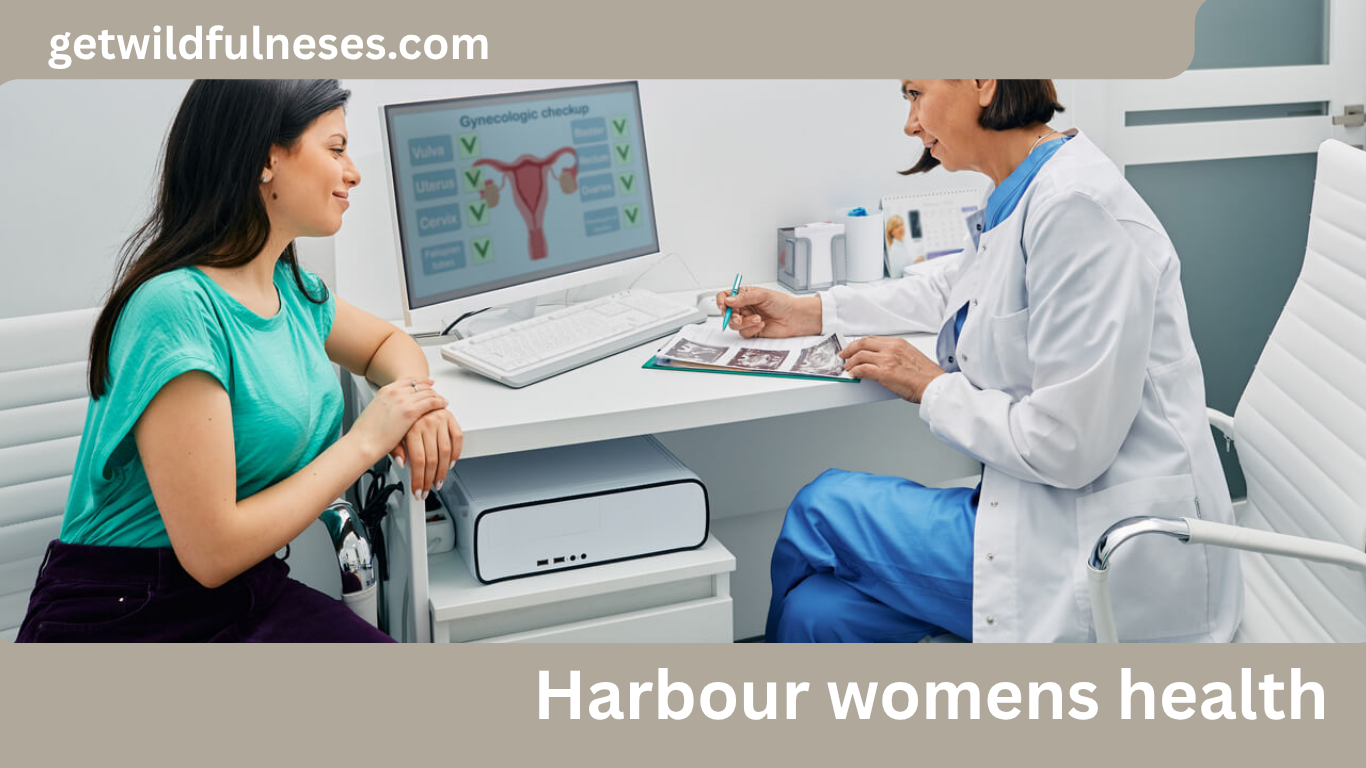
Harbour Womens Health_Complete Guide to Women’s Healthcare, Services, Benefits, and Patient Care
Women’s healthcare is one of the most important parts of overall wellness. From adolescence to pregnancy, menopause, and healthy aging, women need specialized medical care that supports their unique health needs. This is where harbour womens health plays an important role.
The term harbour womens health is commonly associated with comprehensive healthcare services designed specifically for women. These services focus on preventive care, reproductive health, pregnancy care, menopause management, and long-term wellness. Modern women’s health centers are no longer limited to annual checkups. They now provide a complete healthcare experience that supports physical, emotional, and reproductive well-being.
In today’s fast-changing healthcare environment, women are looking for medical providers that offer personalized treatment plans, advanced technology, compassionate care, and convenient access to services. Harbour womens health represents this modern approach by combining preventive medicine, education, and patient-centered care.
This comprehensive guide explores everything you need to know about harbour womens health, including services offered, benefits, patient experience, healthcare technologies, wellness programs, and why comprehensive women’s healthcare matters throughout every stage of life.
What Is Harbour Womens Health?
Harbour womens health refers to a specialized approach to women’s healthcare that focuses on meeting the medical, reproductive, and wellness needs of women throughout their lives.
Women’s health services often include:
- Annual wellness exams
- Gynecological care
- Pregnancy and prenatal care
- Family planning
- Fertility support
- Menopause management
- Breast health services
- Preventive screenings
- Mental health support
- Chronic disease management
The goal of harbour womens health is to provide continuous and personalized healthcare that helps women maintain optimal health from adolescence through senior adulthood.
Rather than treating isolated symptoms, healthcare providers focus on the whole person. This holistic approach allows patients to receive coordinated care that supports long-term wellness and disease prevention.
Why Women’s Health Requires Specialized Care
Women experience unique biological changes throughout life. These changes affect physical health, mental well-being, hormones, fertility, and overall quality of life.
Specialized women’s healthcare is important because women face health concerns that differ from men, including:
- Menstrual disorders
- Pregnancy-related conditions
- Hormonal fluctuations
- Menopause symptoms
- Reproductive health issues
- Higher risk for certain autoimmune disorders
- Osteoporosis risk
- Breast and cervical cancers
Healthcare providers specializing in harbour womens health understand these challenges and can provide appropriate preventive care, early diagnosis, and effective treatment options.
This specialized knowledge helps improve patient outcomes and supports healthier lives.
Core Services Offered by Harbour Womens Health
Modern women’s health centers typically provide a wide range of healthcare services under one roof.
Annual Wellness Exams
Annual wellness visits serve as the foundation of preventive healthcare.
During these appointments, providers evaluate overall health and identify potential concerns before they become serious problems.
A wellness exam may include:
- Physical examination
- Blood pressure screening
- Weight and BMI assessment
- Medical history review
- Lifestyle counseling
- Health risk evaluation
- Preventive screening recommendations
Regular wellness visits help women stay informed about their health and make proactive healthcare decisions.
Gynecological Care
Gynecological services are essential for maintaining reproductive health.
Common gynecological services include:
- Pelvic exams
- Pap smears
- HPV testing
- Menstrual disorder treatment
- Hormonal evaluations
- Infection diagnosis and treatment
- Management of reproductive health conditions
Routine gynecological care allows healthcare providers to detect issues early and provide effective treatment.
Family Planning Services
Family planning helps women make informed reproductive decisions.
Harbour womens health providers often offer:
- Birth control counseling
- Contraceptive management
- Pregnancy planning
- Fertility awareness education
- Reproductive health consultations
Personalized counseling ensures women choose options that align with their goals, lifestyle, and medical history.
Pregnancy and Prenatal Care
Pregnancy is one of the most significant healthcare journeys in a woman’s life.
Comprehensive prenatal care includes:
- Pregnancy confirmation
- Routine prenatal visits
- Ultrasound examinations
- Nutritional guidance
- High-risk pregnancy management
- Labor preparation
- Postpartum care
Consistent prenatal care contributes to healthier pregnancies and better outcomes for both mothers and babies.
Fertility Services and Reproductive Health
Many women experience fertility challenges at some point in their lives.
Harbour womens health providers often assist with:
- Fertility assessments
- Ovulation monitoring
- Hormone testing
- Reproductive evaluations
- Fertility treatment referrals
- Preconception counseling
Early fertility evaluation can identify potential obstacles and improve treatment success.
Healthcare professionals also educate patients about age-related fertility changes and reproductive planning strategies.
Menopause and Midlife Women’s Health
Menopause is a natural stage of life, but symptoms can significantly affect daily living.
Common menopause symptoms include:
- Hot flashes
- Night sweats
- Mood changes
- Sleep disturbances
- Vaginal dryness
- Weight fluctuations
- Reduced energy
Harbour womens health specialists help women manage these changes through personalized treatment plans.
Management options may include:
- Lifestyle modifications
- Nutritional guidance
- Hormonal therapies
- Non-hormonal treatments
- Mental health support
With proper care, women can navigate menopause more comfortably and maintain an active lifestyle.

Also Read : Womens health alliance_ Complete 2026 Guide to Women-Centered Healthcare in the United States
Breast Health Services
Breast health is an important component of women’s preventive healthcare.
Regular breast screenings improve the chances of detecting abnormalities early.
Breast health services may include:
- Clinical breast exams
- Mammogram referrals
- Breast cancer risk assessments
- Diagnostic evaluations
- Breast health education
Healthcare providers encourage women to understand their individual risk factors and follow recommended screening schedules.
Preventive Healthcare and Screenings
Preventive medicine is one of the most valuable aspects of harbour womens health.
Prevention helps identify health concerns before symptoms develop.
Important preventive screenings may include:
Cervical Cancer Screening
Routine Pap tests and HPV testing help identify abnormal cellular changes before cancer develops.
Breast Cancer Screening
Regular mammograms help detect breast cancer in its earliest stages.
Bone Density Testing
Women become more vulnerable to osteoporosis as they age.
Bone density testing helps evaluate bone health and fracture risk.
Cardiovascular Screening
Heart disease remains a leading health concern for women.
Screenings may include:
- Blood pressure checks
- Cholesterol testing
- Diabetes screening
- Cardiovascular risk assessments
Preventive care can significantly reduce long-term health complications.
Women’s Mental Health Support
Mental health plays a critical role in overall wellness.
Women may experience mental health challenges related to:
- Hormonal changes
- Pregnancy
- Postpartum recovery
- Career stress
- Family responsibilities
- Menopause transitions
Harbour womens health often integrates mental health support into patient care.
This may include:
- Anxiety management
- Depression screening
- Stress reduction strategies
- Behavioral health referrals
- Emotional wellness counseling
Supporting mental wellness helps improve physical health outcomes and overall quality of life.
Adolescent Women’s Healthcare
Healthcare needs begin long before adulthood.
Teen girls benefit from healthcare services that support healthy development and education.
Adolescent women’s health services often include:
- First gynecological visits
- Menstrual health education
- HPV vaccination guidance
- Reproductive health education
- Preventive screenings
- Healthy lifestyle counseling
Early healthcare education encourages lifelong healthy habits.
The Importance of Personalized Care
One of the most valuable aspects of harbour womens health is individualized treatment.
Every woman has unique healthcare needs influenced by:
- Age
- Family history
- Lifestyle
- Medical conditions
- Reproductive goals
- Personal preferences
Personalized care allows providers to create treatment plans tailored to each patient.
This approach improves satisfaction, treatment effectiveness, and long-term outcomes.
Technology and Innovation in Women’s Healthcare
Modern healthcare technology continues to improve patient experiences.
Harbour womens health providers increasingly utilize advanced technologies such as:
Electronic Medical Records
Digital records improve care coordination and patient safety.
Telehealth Services
Virtual appointments provide convenient access to healthcare professionals.
Patients can discuss concerns, review results, and receive follow-up care from home.
Advanced Imaging
Improved imaging technologies support earlier diagnosis and more accurate treatment planning.
Digital Patient Portals
Online portals allow patients to:
- Schedule appointments
- Access medical records
- Review test results
- Communicate with providers
Technology helps create more efficient and accessible healthcare experiences.
Common Women’s Health Conditions
Healthcare providers routinely diagnose and manage various women’s health conditions.
Common conditions include:
Polycystic Ovary Syndrome (PCOS)
PCOS affects hormone levels and reproductive health.
Symptoms may include:
- Irregular periods
- Weight gain
- Acne
- Fertility challenges
Endometriosis
Endometriosis occurs when tissue similar to the uterine lining grows outside the uterus.
Symptoms often include:
- Pelvic pain
- Painful periods
- Fertility concerns
Uterine Fibroids
Fibroids are noncancerous growths that can cause:
- Heavy bleeding
- Pelvic pressure
- Pain
Osteoporosis
Osteoporosis weakens bones and increases fracture risk.
Early detection and treatment help preserve bone health.
Nutrition and Women’s Wellness
Proper nutrition supports every stage of women’s health.
Healthcare providers often recommend balanced diets that include:
- Lean proteins
- Fruits
- Vegetables
- Whole grains
- Healthy fats
- Calcium-rich foods
Nutritional needs may vary during:
- Pregnancy
- Breastfeeding
- Menopause
- Aging
Personalized nutritional guidance helps women achieve optimal health outcomes.
Exercise and Physical Activity
Regular exercise contributes to physical and mental wellness.
Benefits include:
- Improved heart health
- Better weight management
- Stronger bones
- Enhanced mood
- Reduced stress
- Improved sleep quality
Women should choose activities they enjoy and can maintain consistently.
Popular options include:
- Walking
- Swimming
- Yoga
- Cycling
- Strength training
- Group fitness classes
Physical activity remains one of the most effective preventive health strategies.

Also Read : WOMENS HEALTH DOMAIN_ A COMPLETE, UPDATED AND EASY GUIDE FOR MODERN HEALTH CARE
Building a Long-Term Relationship With Healthcare Providers
Trust is an essential component of healthcare.
Women who establish long-term relationships with healthcare providers often experience:
- Better preventive care
- Earlier diagnosis
- Improved treatment adherence
- Increased healthcare confidence
Consistent care allows providers to better understand a patient’s medical history and health goals.
This continuity supports more effective decision-making and personalized treatment.
How to Choose the Right Harbour Womens Health Provider
Selecting the right healthcare provider is an important decision.
Consider factors such as:
Experience and Qualifications
Look for licensed and experienced healthcare professionals.
Comprehensive Services
Choose providers offering a broad range of women’s healthcare services.
Communication Style
Patients should feel comfortable discussing personal health concerns.
Accessibility
Consider office location, appointment availability, and telehealth options.
Patient Reviews
Patient feedback can provide insights into care quality and patient satisfaction.
A provider who listens carefully and respects patient preferences often contributes to a more positive healthcare experience.
Future Trends in Women’s Healthcare
Women’s healthcare continues to evolve rapidly.
Several trends are shaping the future of harbour womens health:
Increased Telemedicine Adoption
Virtual healthcare services continue expanding access to care.
Personalized Medicine
Genetic testing and advanced diagnostics support customized treatment plans.
Preventive Healthcare Focus
Healthcare systems increasingly emphasize disease prevention rather than treatment alone.
Integrated Mental Health Services
Mental health is becoming a standard component of comprehensive women’s care.
Enhanced Digital Health Tools
Mobile apps and wearable technology help women track health metrics and engage more actively in their care.
These advancements promise more accessible, efficient, and personalized healthcare experiences.
Conclusion
Harbour womens health represents a comprehensive approach to women’s healthcare that supports wellness across every stage of life. From preventive screenings and reproductive health services to menopause management and mental health support, modern women’s healthcare focuses on the whole person rather than isolated medical concerns.
Women benefit most when healthcare is proactive, personalized, and centered around long-term wellness. Regular checkups, preventive screenings, healthy lifestyle choices, and strong patient-provider relationships all contribute to better health outcomes.
As healthcare technology and medical knowledge continue advancing, harbour womens health will play an even greater role in helping women live healthier, longer, and more fulfilling lives. By prioritizing preventive care and comprehensive support, women can take control of their health and confidently navigate every stage of life.
FAQs About Harbour Womens Health
What age should a woman start visiting a women’s health provider?
Many healthcare experts recommend that young women begin visiting a women’s health provider during their teenage years, especially if they have menstrual concerns, reproductive health questions, or need preventive guidance.
Can harbour womens health help with hormonal imbalances?
Yes. Women’s health providers commonly diagnose and manage hormone-related conditions, including PCOS, menopause symptoms, thyroid concerns, and menstrual irregularities.
How often should women schedule wellness exams?
Most women should schedule a wellness exam once per year, although individual recommendations may vary depending on age, health status, and medical history.
Is telehealth available through women’s health services?
Many modern women’s health practices offer telehealth appointments for consultations, follow-up visits, medication reviews, and certain types of counseling.
What should I bring to my first women’s health appointment?
Patients should bring identification, insurance information, a list of medications, medical records if available, and any questions they would like to discuss with their provider.
Are women’s health services only for reproductive care?
No. Women’s healthcare includes preventive care, cardiovascular health, mental wellness, nutrition counseling, chronic disease management, osteoporosis screening, and many other services.
Can women’s health providers help with weight management?
Yes. Many providers offer nutritional counseling, wellness planning, and lifestyle guidance to support healthy weight management goals.
Why is preventive care important in women’s healthcare?
Preventive care helps detect health issues early, often before symptoms appear. Early detection can improve treatment outcomes and reduce long-term healthcare risks.
How does menopause affect overall health?
Menopause can influence bone density, heart health, sleep quality, mood, metabolism, and hormone levels. Proper medical support can help manage these changes effectively.
What makes harbour womens health different from general healthcare?
Harbour womens health focuses specifically on women’s unique medical, hormonal, reproductive, and wellness needs, providing specialized expertise and personalized care throughout every stage of life.