Womens health alliance_ Complete 2026 Guide to Women-Centered Healthcare in the United States
Womens health alliance is a term used to describe a coordinated healthcare model focused on improving medical services for women across all stages of life. In simple words, it refers to a network or system of doctors, clinics, and healthcare providers who work together to support women’s physical, mental, and reproductive health.
In the United States, women’s healthcare is becoming more advanced and patient-focused. The idea behind Womens health alliance is to bring different health services under one connected system so that women can get complete care in one place or through one coordinated network.
This includes routine checkups, pregnancy care, reproductive health services, menopause support, preventive screenings, and mental health care. The main goal is to make healthcare easier, faster, and more supportive for women.
In today’s world, many women face challenges like busy lifestyles, lack of access to quality care, and limited time for regular checkups. Womens health alliance models are designed to solve these problems by offering integrated care systems that focus only on women’s needs.
Understanding the Meaning of Womens health alliance
The keyword Womens health alliance refers to more than just a single clinic or hospital. It represents a healthcare approach that combines multiple specialties under one umbrella. This means gynecologists, primary care doctors, nutrition experts, mental health professionals, and wellness coaches work together.
Instead of visiting separate clinics for different issues, women can get coordinated care in one system. This reduces confusion, saves time, and improves treatment results.
In the United States, this model is becoming more common due to increasing awareness of women’s health issues and the need for better healthcare integration.
Why Womens health alliance Matters in Modern Healthcare
Women have unique health needs that change throughout their lives. From adolescence to pregnancy, and from menopause to aging, each stage requires different medical attention.
Womens health alliance systems are important because they provide:
- Continuous care across all life stages
- Better communication between doctors
- Faster diagnosis and treatment
- Preventive care focus instead of only treatment
- Emotional and mental health support
This approach is especially helpful in a country like the United States, where healthcare can sometimes feel fragmented and expensive.
Core Mission of Womens health alliance
The main mission of Womens health alliance is to improve women’s health outcomes by making healthcare more connected, accessible, and personalized.
Key mission goals include:
- Providing high-quality care for women of all ages
- Improving maternal health and pregnancy outcomes
- Increasing awareness about preventive screenings
- Supporting mental and emotional well-being
- Reducing health inequalities among women
This mission reflects a growing understanding that women’s health is not just about reproductive care, but overall wellness.
Services Offered Under Womens health alliance
A typical Womens health alliance system offers a wide range of healthcare services. These services are designed to cover all major aspects of women’s health.
Primary Care Services
Primary care is the first step in healthcare. It includes general health checkups, diagnosis of common illnesses, and long-term health management.
Doctors in Womens health alliance networks focus on early detection of diseases like diabetes, high blood pressure, and thyroid disorders.
Reproductive and Gynecological Care
This is one of the most important parts of women’s healthcare. It includes:
- Menstrual health management
- Family planning services
- Fertility consultations
- Treatment of hormonal disorders
- Cervical cancer screenings
Gynecological care is essential for maintaining long-term reproductive health.
Pregnancy and Maternity Care
Pregnancy care is a major focus of Womens health alliance. It includes:
- Prenatal checkups
- Ultrasound and fetal monitoring
- Nutrition guidance during pregnancy
- Labor and delivery support
- Postpartum recovery care
This helps ensure safe pregnancies and healthy babies.
Menopause Care
Menopause is a natural stage in a woman’s life, but it can bring physical and emotional changes. Womens health alliance provides support such as:
- Hormone therapy options
- Bone health monitoring
- Lifestyle counseling
- Emotional support
Mental Health Services
Mental health is now a major part of women’s healthcare. Services include:
- Stress management
- Depression and anxiety treatment
- Counseling therapy
- Trauma support
This integration ensures that mental health is treated with the same importance as physical health.
Preventive Health Screenings
Preventive care helps detect diseases early. Services include:
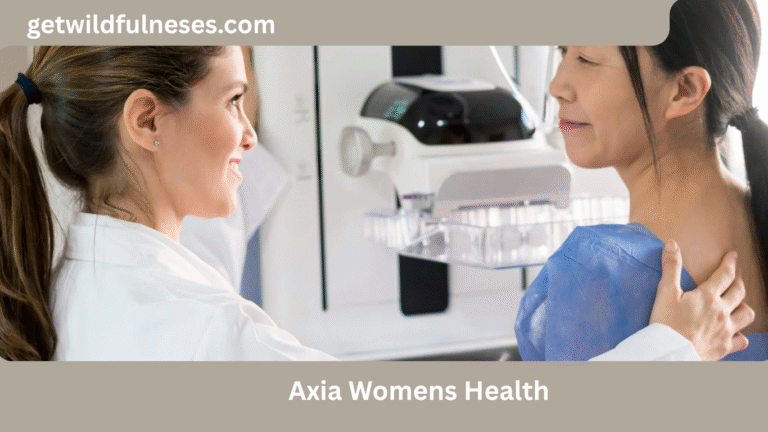
- Breast cancer screening
- Cervical cancer screening
- Heart health checks
- Bone density tests
Early detection saves lives and reduces treatment costs.
How Womens health alliance Improves Patient Experience
One of the biggest advantages of Womens health alliance is improved patient experience.
Instead of visiting different specialists in different locations, patients can access multiple services in one connected system.
This improves:
- Communication between healthcare providers
- Speed of diagnosis
- Accuracy of treatment plans
- Patient satisfaction
Women feel more supported because their care feels organized and personalized.

Also Read : Lexington Womens Health_ A Complete Guide to Women’s Healthcare Services, Wellness, and Patient Care
Role of Technology in Womens health alliance
Technology plays a major role in modern healthcare systems.
Womens health alliance models often use:
- Telemedicine consultations
- Electronic health records
- Mobile health apps
- Online appointment systems
Telemedicine is especially useful for women in rural or remote areas. It allows them to consult doctors without traveling long distances.
Preventive Healthcare Focus
Preventive healthcare is one of the strongest pillars of Womens health alliance.
Instead of waiting for diseases to develop, doctors focus on early prevention through:
- Regular screenings
- Lifestyle counseling
- Nutrition planning
- Exercise recommendations
This helps reduce long-term health risks and improves quality of life.
Importance of Women-Centered Care
Women-centered care means healthcare designed specifically for women’s needs.
Womens health alliance focuses on:
- Gender-specific diseases
- Hormonal health
- Pregnancy-related care
- Emotional and mental health differences
This approach recognizes that women experience health differently than men and need specialized care systems.
Benefits of Womens health alliance in the United States
In the US healthcare system, Womens health alliance provides several benefits:
- Better coordination between doctors
- Improved access to specialists
- Reduced healthcare delays
- More affordable preventive care
- Higher quality treatment outcomes
It also helps reduce healthcare inequality by making services more accessible.
Challenges Faced by Womens health alliance Systems
Even though the system has many benefits, there are challenges:
Access Issues
Some women still struggle to access quality healthcare due to location or cost.
Awareness Gap
Many people are not fully aware of integrated women’s health systems.
Insurance Limitations
Healthcare coverage can sometimes limit access to certain services.
Workforce Shortage
There is a growing need for more trained women’s health specialists.
Future of Womens health alliance in Healthcare
The future of Womens health alliance looks strong and promising.
Expected developments include:
- More AI-based diagnosis tools
- Better telehealth systems
- Personalized medicine based on genetics
- Improved maternal care technology
- Expanded mental health integration
Healthcare is moving toward more digital, patient-centered systems, and women’s health is a major part of this change.
How to Choose a Womens health alliance Provider
When selecting a healthcare provider in a Womens health alliance system, consider:
- Experience of doctors
- Range of services offered
- Availability of specialists
- Technology and telehealth options
- Patient reviews and reputation
Choosing the right provider ensures better long-term care.
Impact on Community Health
Womens health alliance systems do not only help individuals but also improve community health.
They help in:
- Reducing maternal mortality rates
- Increasing awareness about women’s diseases
- Encouraging preventive care habits
- Supporting family health education
Healthy women contribute to healthier families and communities.

Expertise, Authority, and Trust (EAT in Womens health alliance)
EAT is very important in healthcare content and systems.
Expertise
Doctors in Womens health alliance networks are trained in gynecology, internal medicine, mental health, and preventive care.
Authority
Many systems follow national healthcare standards in the United States, ensuring high-quality medical practices.
Trust
Trust is built through consistent care, transparency, and patient-focused treatment plans.
This makes Womens health alliance a reliable model for women’s healthcare.
Common Myths About Womens health alliance
There are many misunderstandings:
- Myth: It is only for pregnancy care
Reality: It covers full life-cycle health - Myth: It is expensive
Reality: Preventive care often reduces long-term costs - Myth: It is only for older women
Reality: It supports women of all ages
Digital Transformation in Womens health alliance
Digital health is transforming how care is delivered.
Features include:
- Online consultations
- Digital prescriptions
- Remote monitoring tools
- Health tracking apps
This makes healthcare more flexible and accessible.
Why Preventive Care is the Future
Preventive care reduces disease burden and improves life expectancy.
Womens health alliance promotes:
- Early detection
- Healthy lifestyle habits
- Regular health monitoring
This shift from treatment to prevention is one of the biggest improvements in modern healthcare.
Conclusion
Womens health alliance represents a modern and advanced approach to women’s healthcare in the United States. It focuses on complete, connected, and patient-centered care that supports women through every stage of life.
By combining physical health, mental health, and preventive care, this system helps improve health outcomes and creates a more efficient healthcare experience.
FAQs About Womens health alliance
What is Womens health alliance?
It is a coordinated healthcare system focused on women’s physical, reproductive, and mental health.
Is Womens health alliance only for pregnancy care?
No, it covers all stages of women’s health including adolescence, adulthood, and menopause.
Who can join Womens health alliance services?
Any woman who wants complete and coordinated healthcare can access it.
Does it include mental health support?
Yes, mental health is a key part of Womens health alliance care systems.
Is telemedicine available in Womens health alliance?
Yes, many providers offer online consultations and digital care options.
Why is preventive care important?
It helps detect diseases early and reduces long-term health risks.
Is Womens health alliance available across the US?
Yes, similar models are growing in many states across the United States.
What services are included?
Primary care, gynecology, pregnancy care, menopause support, and mental health services.
How does it improve healthcare quality?
By connecting different specialists and improving communication between providers.
Is it expensive to use Womens health alliance services?
Costs vary, but preventive care often reduces overall healthcare expenses.