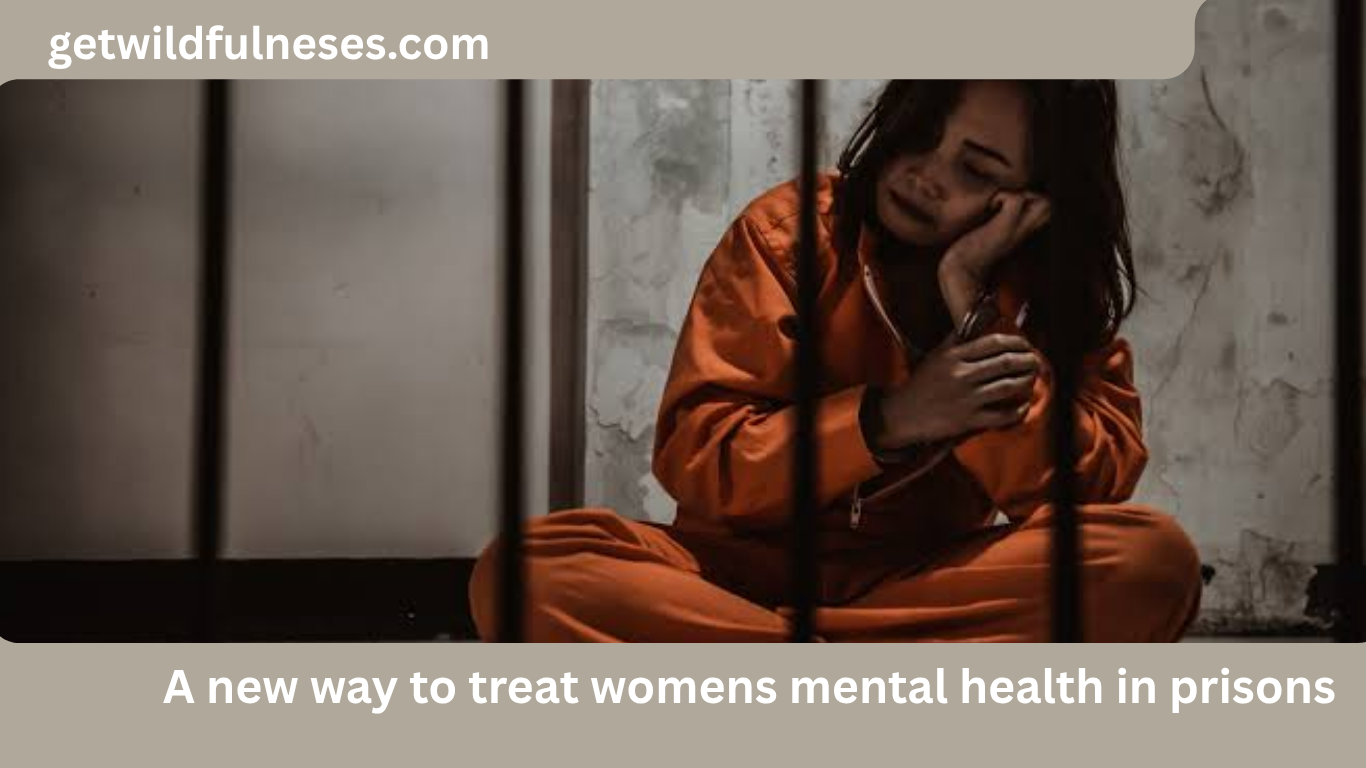
A New Way to Treat Womens Mental Health in Prisons
The conversation around prison reform in the United States is changing fast. For many years, prisons focused mainly on punishment and control. Mental health care was often ignored, especially for women. Today, experts, doctors, prison leaders, and community organizations are starting to understand something important: women in prison have very different mental health needs than men.
This change has created what many experts now call “a new way to treat womens mental health in prisons.” Instead of using only strict discipline and medication, modern programs focus on trauma recovery, emotional healing, therapy, family support, education, and community reintegration.
Women in prisons often carry deep emotional pain before they are ever arrested. Many have experienced abuse, poverty, addiction, homelessness, domestic violence, or childhood trauma. Traditional prison systems were not designed to help them heal. As a result, mental illness inside women’s prisons has become a major public health issue in the United States.
Today, correctional systems are beginning to adopt trauma-informed care, gender-responsive treatment, peer support programs, and rehabilitation-focused models. These methods are changing lives, reducing repeat offenses, and creating safer prison environments.
This article explores a new way to treat womens mental health in prisons, why it matters, how it works, and what the future may look like.
Why Womens Mental Health in Prisons Needs Special Attention
Women in prison are one of the most vulnerable groups in America. Studies consistently show that incarcerated women experience mental illness at much higher rates than incarcerated men.
Many women entering prison already struggle with:
- Depression
- Anxiety
- PTSD
- Bipolar disorder
- Addiction
- Self-harm behaviors
- Trauma from abuse
- Suicidal thoughts
A large number of female inmates are survivors of physical or sexual violence. Some were abused during childhood. Others faced domestic violence or human trafficking as adults.
Because of these experiences, women often enter prison carrying emotional wounds that continue to affect their behavior, decision-making, and relationships.
Traditional prison systems usually focus on discipline instead of healing. Women may receive medication, but emotional support and trauma treatment are often limited. This can make mental health problems worse.
That is why experts now believe that a new way to treat womens mental health in prisons must focus on understanding trauma instead of only punishing behavior.
The Link Between Trauma and Female Incarceration
Trauma is one of the biggest factors connected to women’s incarceration.
Many incarcerated women have histories that include:
- Childhood neglect
- Sexual abuse
- Domestic violence
- Homelessness
- Drug addiction
- Loss of children
- Poverty
- Mental illness without treatment
Trauma changes how the brain responds to stress. It can lead to fear, anger, addiction, emotional shutdown, or risky behavior.
When trauma is untreated, women may struggle with:
- Trust
- Emotional control
- Relationships
- Decision-making
- Substance abuse
Some women commit crimes connected to survival, addiction, or abusive relationships.
Understanding this connection is central to a new way to treat womens mental health in prisons. Modern rehabilitation programs now recognize that healing trauma can reduce future criminal behavior.
What Is Trauma-Informed Care in Prisons?
Trauma-informed care is one of the biggest changes happening in correctional mental health systems today.
This approach asks an important question:
“What happened to this person?” instead of “What is wrong with this person?”
Trauma-informed care helps prison staff understand how past abuse and emotional pain affect behavior.
This model includes:
- Safe environments
- Respectful communication
- Counseling
- Emotional support
- Mental health screening
- Staff training
- Reduced use of harsh punishment
- Programs that build trust and confidence
Women who feel emotionally safe are more likely to participate in therapy and rehabilitation.
Trauma-informed prisons also train correctional officers to recognize trauma symptoms. This can reduce conflict, violence, and emotional breakdowns inside facilities.
A new way to treat womens mental health in prisons often begins with trauma-informed care because it creates a foundation for healing.
Gender-Responsive Treatment Programs
Gender-responsive treatment means creating mental health services specifically designed for women.
For many years, prison treatment programs were designed mostly for men. Female inmates were expected to fit into systems that did not address their unique needs.
Modern gender-responsive programs focus on:
- Motherhood
- Family relationships
- Trauma recovery
- Self-esteem
- Healthy relationships
- Addiction recovery
- Life skills
- Emotional communication
Women often heal better in supportive environments where they can openly discuss their experiences.
These programs may include:
- Group therapy
- Parenting classes
- Art therapy
- Meditation
- Job training
- Peer mentorship
- Substance abuse treatment
This approach recognizes that women’s mental health is deeply connected to relationships, safety, and emotional support.
As prisons continue evolving, gender-responsive care is becoming an essential part of a new way to treat womens mental health in prisons.
The Importance of Mental Health Screening
One major problem in the prison system is that many women with mental illness are never properly diagnosed.
Without screening, women may suffer silently for years.
Modern correctional systems are improving mental health evaluations during intake. Early screening helps identify:
- Depression
- PTSD
- Anxiety disorders
- Addiction
- Suicide risk
- Psychosis
- Eating disorders
Early treatment can prevent mental health crises later.
Good screening programs also help prisons create personalized treatment plans instead of using the same approach for every inmate.
A new way to treat womens mental health in prisons depends on identifying problems early and providing proper support from the beginning.
Therapy Programs That Are Changing Lives
Therapy is becoming one of the most effective tools in prison mental health reform.
Several therapy models are now widely used in women’s prisons.
Cognitive Behavioral Therapy
Cognitive Behavioral Therapy, often called CBT, helps women understand how thoughts affect behavior.
CBT teaches inmates to:
- Manage emotions
- Handle stress
- Challenge harmful thinking
- Improve decision-making
- Build healthier habits
Research shows CBT can reduce repeat offenses after release.
Dialectical Behavior Therapy
Dialectical Behavior Therapy, or DBT, is especially helpful for women with trauma histories and emotional regulation problems.
DBT teaches:
- Mindfulness
- Emotional control
- Stress tolerance
- Relationship skills
Many women with self-harm behaviors benefit from DBT programs.
Group Counseling
Group therapy creates emotional connection and peer support.
Women often feel less isolated when they hear others share similar experiences.
Group counseling helps build:
- Trust
- Communication
- Emotional awareness
- Confidence
These therapies are central to a new way to treat womens mental health in prisons because they focus on long-term emotional growth.
The Role of Peer Support Programs
Peer support programs are becoming more common inside correctional facilities.
In these programs, trained inmates help support other women dealing with mental health struggles.
Peer mentors can:
- Listen without judgment
- Offer emotional support
- Encourage treatment participation
- Help reduce loneliness
- Guide women through recovery
Many incarcerated women trust peers more easily than authority figures.
Peer support also gives mentors a sense of purpose and leadership.
This community-based approach is proving highly effective in modern prison rehabilitation systems.
Family Connection and Mental Health Recovery
Family relationships strongly affect women’s mental health in prison.
Many incarcerated women are mothers. Separation from children can create:
- Depression
- Guilt
- Anxiety
- Emotional breakdowns
A new way to treat womens mental health in prisons recognizes that maintaining healthy family bonds supports rehabilitation.
Some prisons now offer:
- Parenting programs
- Family counseling
- Video visitation
- Child-friendly visitation rooms
- Reunification support
Women who maintain positive family connections often show:
- Better emotional stability
- Lower disciplinary problems
- Stronger motivation for recovery
- Reduced recidivism
Helping women rebuild relationships can be a powerful part of mental health healing.

Also Read : A Jacksonville Womens Health Center_ Complete Guide to Women’s Healthcare Services, Support, and Wellness
Substance Abuse and Mental Health Treatment Together
Many incarcerated women struggle with both addiction and mental illness.
This is called a co-occurring disorder.
For years, prisons often treated addiction and mental illness separately. Today, experts understand that both issues are connected.
Women may use drugs or alcohol to cope with trauma, depression, or anxiety.
Integrated treatment programs now address:
- Addiction recovery
- Trauma therapy
- Mental health counseling
- Relapse prevention
- Emotional coping skills
This combined approach creates better long-term outcomes.
Treating addiction without addressing trauma often leads to relapse after release.
That is why integrated care is an important part of a new way to treat womens mental health in prisons.
The Growing Use of Alternative Therapies
Modern prison mental health programs are also exploring alternative therapies.
These therapies support emotional healing alongside traditional counseling.
Popular programs include:
Art Therapy
Art allows women to express emotions that are difficult to describe with words.
Painting, drawing, and creative projects can reduce stress and anxiety.
Yoga and Meditation
Mindfulness practices help women manage trauma symptoms and emotional distress.
Yoga programs have shown positive effects on:
- Anxiety
- Sleep
- Emotional control
- Stress reduction
Animal Therapy
Some prisons allow women to work with therapy animals or train dogs.
Animal programs often improve emotional connection, empathy, and confidence.
Music Therapy
Music can help women process emotions and reduce depression.
These alternative methods are becoming part of a new way to treat womens mental health in prisons because they support emotional healing in nontraditional ways.
Why Solitary Confinement Harms Womens Mental Health
Mental health experts increasingly warn about the dangers of solitary confinement.
Isolation can severely damage emotional health, especially for women with trauma histories.
Women in solitary confinement may experience:
- Panic attacks
- Hallucinations
- Depression
- Self-harm
- Suicidal thoughts
Some prisons are now reducing solitary confinement for inmates with mental illness.
Instead, they are creating:
- Therapeutic housing units
- Crisis stabilization programs
- Mental health observation units
These environments focus more on treatment than punishment.
Reducing isolation is a major step forward in a new way to treat womens mental health in prisons.
The Importance of Staff Training
Correctional officers play a major role in prison mental health.
Without proper training, staff may misunderstand trauma symptoms as disobedience or aggression.
Modern prisons are beginning to train staff in:
- Mental health awareness
- Trauma-informed communication
- Suicide prevention
- Crisis intervention
- De-escalation techniques
Better-trained staff can help create safer prison environments for everyone.
Positive staff interactions also encourage women to participate in treatment programs.
Reentry Support After Release
Mental health care should not stop when a woman leaves prison.
The transition back into society is often stressful and overwhelming.
Women leaving prison may face:
- Housing problems
- Job difficulties
- Family conflict
- Stigma
- Limited healthcare access
Without support, mental health problems can return quickly.
Modern reentry programs now provide:
- Counseling
- Housing assistance
- Job training
- Addiction treatment
- Community mental health referrals
- Peer mentoring
Successful reentry programs reduce the chance of returning to prison.
A new way to treat womens mental health in prisons must include long-term support after release.
How Technology Is Improving Prison Mental Health Care
Technology is changing correctional healthcare in important ways.
Some prisons now use telehealth services to connect women with mental health professionals remotely.
Telehealth helps facilities provide:
- Psychiatric evaluations
- Therapy sessions
- Crisis counseling
- Medication management
This is especially helpful in rural prisons where mental health specialists are limited.
Digital learning programs are also improving access to:
- Education
- Stress management tools
- Recovery programs
- Emotional wellness training
Technology cannot replace human connection, but it can improve access to care.
Challenges Still Facing Womens Prison Mental Health
Even with progress, many serious challenges remain.
Problems include:
- Underfunding
- Staff shortages
- Overcrowding
- Limited mental health professionals
- Poor access to therapy
- Inconsistent treatment quality
Some prisons still rely too heavily on medication instead of therapy.
Others struggle to maintain long-term rehabilitation programs.
Women from minority communities may also face additional barriers related to discrimination and unequal healthcare access.
Real reform requires continued investment, training, and public awareness.
Why Mental Health Reform Benefits Society
Improving prison mental health care helps more than just inmates.
It also benefits:
- Families
- Children
- Communities
- Public safety
- Healthcare systems
Women who receive proper treatment are more likely to:
- Stay out of prison
- Find employment
- Rebuild families
- Maintain sobriety
- Contribute positively to society
Children also benefit when mothers recover emotionally and return home healthier.
A new way to treat womens mental health in prisons is not simply about compassion. It is also about creating safer and stronger communities.

Also Read : A Feminist Model for Womens Health Care
The Future of Womens Mental Health Treatment in Prisons
The future of correctional mental health care is moving toward rehabilitation instead of punishment.
Experts predict continued growth in:
- Trauma-informed prisons
- Therapeutic housing units
- Community partnerships
- Peer-led programs
- Holistic mental health treatment
- Family-centered rehabilitation
- Mental health diversion courts
Some advocates believe many women with serious mental illness should receive treatment in healthcare settings instead of prisons.
Others support expanded alternatives to incarceration, especially for nonviolent offenders.
The justice system is slowly recognizing that untreated mental illness contributes to repeated incarceration.
The future will likely focus more on healing, prevention, and long-term recovery.
A New Perspective on Healing and Justice
One of the most important changes happening today is the shift in public thinking.
People are beginning to understand that punishment alone does not solve mental health problems.
Women in prison are human beings with complex histories, emotional pain, and the ability to recover.
A new way to treat womens mental health in prisons focuses on dignity, healing, accountability, and opportunity.
This approach does not ignore crime. Instead, it recognizes that rehabilitation creates better outcomes than endless punishment.
Healing emotional trauma can reduce violence, improve prison safety, and lower repeat offenses.
Most importantly, it gives women the chance to rebuild their lives.
Conclusion
The United States prison system is slowly changing its approach to women’s mental health. Traditional punishment-based models are being replaced with trauma-informed, gender-responsive, and rehabilitation-focused care.
This transformation represents a new way to treat womens mental health in prisons.
Modern programs now recognize the deep connection between trauma, addiction, mental illness, and incarceration. Instead of treating symptoms alone, these systems focus on emotional healing, therapy, peer support, family relationships, and successful reentry into society.
There is still much work to do. Many prisons remain underfunded and overcrowded. Mental health resources are often limited. However, progress is happening.
The future of prison reform will depend on continued investment in humane, evidence-based mental health care for women.
When society helps incarcerated women heal emotionally, everyone benefits. Families become stronger, communities become safer, and former inmates gain the opportunity to create healthier futures.
The growing movement toward compassionate rehabilitation may ultimately become one of the most important reforms in the American justice system.
FAQs About A New Way to Treat Womens Mental Health in Prisons
Why do women in prison have high rates of mental illness?
Many incarcerated women have experienced trauma, abuse, addiction, poverty, or domestic violence before entering prison. These experiences increase the risk of depression, PTSD, anxiety, and substance abuse disorders.
What is trauma-informed care in women’s prisons?
Trauma-informed care is a treatment approach that recognizes how past trauma affects behavior and mental health. It focuses on safety, respect, emotional healing, and supportive therapy instead of only punishment.
How does prison affect women’s mental health?
Prison can increase stress, isolation, anxiety, and depression. Separation from children and family members can also create emotional pain. Poor prison conditions may worsen existing mental health problems.
Are therapy programs effective in prisons?
Yes. Programs like Cognitive Behavioral Therapy and Dialectical Behavior Therapy have shown positive results in improving emotional regulation, reducing self-harm, and lowering repeat criminal behavior.
Why is family support important for incarcerated women?
Strong family connections improve emotional stability and motivation for recovery. Women who maintain healthy relationships with children and relatives often have better rehabilitation outcomes.
What are co-occurring disorders in prisons?
Co-occurring disorders happen when someone has both a mental illness and a substance abuse problem at the same time. Many incarcerated women struggle with both conditions together.
Can alternative therapies help women in prison?
Yes. Art therapy, yoga, meditation, music therapy, and animal therapy can reduce stress, improve emotional expression, and support trauma recovery.
Why is solitary confinement harmful to women?
Isolation can worsen depression, anxiety, PTSD, and suicidal thoughts. Women with trauma histories are especially vulnerable to the psychological effects of solitary confinement.
What happens after women leave prison?
Many women need continued support after release. Reentry programs help with housing, counseling, employment, addiction recovery, and community mental health care.
How can the prison system improve women’s mental health care?
Improvement requires better funding, staff training, trauma-informed practices, therapy access, rehabilitation programs, and stronger support systems during and after incarceration.