A New Beginning Womens Health_Complete Guide to Better Care, Wellness, and Lifelong Support
Women’s health is more than yearly checkups or pregnancy care. It includes physical health, mental wellness, emotional balance, hormone support, preventive care, nutrition, and healthy aging. Today, many women are searching for healthcare that feels personal, respectful, and complete. That is why the topic “a new beginning womens health” has become more important than ever.
Modern women want healthcare providers who listen carefully, explain clearly, and create care plans that match real life. Women also want access to preventive screenings, pregnancy support, menopause treatment, mental health resources, and wellness programs in one place.
This guide explains everything you need to know about a new beginning womens health, including services, benefits, treatment options, wellness strategies, preventive care, and expert insights. Whether you are looking for your first women’s healthcare provider or searching for better support during a major life change, this article will help you understand how modern women’s healthcare is evolving.
What Is A New Beginning Womens Health?
The phrase “a new beginning womens health” represents a modern and patient-focused approach to women’s healthcare. Instead of treating only symptoms, this model focuses on the whole person. It combines medical care, emotional support, preventive health, and long-term wellness planning.
Women’s health centers using this approach often provide:
- Gynecology services
- Pregnancy and prenatal care
- Fertility evaluations
- Hormone therapy
- Menopause treatment
- Breast health screenings
- Mental health support
- Nutrition counseling
- Preventive wellness exams
- Lifestyle guidance
The goal is to help women feel healthier, stronger, and more informed during every stage of life.
Why Women’s Health Needs a New Approach
Traditional healthcare systems sometimes treat women’s concerns too quickly or separately. Many women report feeling unheard when discussing pain, fatigue, hormones, anxiety, or menstrual problems.
A new beginning womens health model changes that by focusing on:
Personalized Care
Every woman’s body is different. A personalized approach means doctors and healthcare teams create treatment plans based on age, lifestyle, family history, hormones, and personal goals.
Prevention First
Preventive care can identify health issues early before they become serious. Early screenings often improve outcomes and reduce long-term health risks.
Whole-Body Wellness
Women’s health is connected to mental health, nutrition, sleep, stress levels, and physical activity. A complete healthcare plan includes all of these areas.
Better Communication
Patients today want clear explanations and honest conversations. Modern women’s healthcare focuses on education and patient understanding.
The Importance of Preventive Women’s Healthcare
Preventive healthcare is one of the most valuable parts of a new beginning womens health program. Prevention helps detect problems early and supports long-term wellness.
Annual Wellness Exams
An annual women’s health exam may include:
- Blood pressure checks
- Weight and BMI review
- Pelvic exams
- Breast exams
- Pap smear testing
- Health history review
- Hormone discussions
- Mental health screening
Regular exams help doctors notice changes before they become severe.
Pap Smears and Cervical Cancer Screening
Pap tests help detect abnormal cervical cells early. Early treatment can prevent cervical cancer from developing.
Women should follow screening guidelines based on age and medical history.
Breast Cancer Screening
Breast health is a major part of women’s wellness. Mammograms and breast exams help detect breast cancer early when treatment success rates are highest.
Women with family histories of breast cancer may need earlier or additional screenings.
Bone Density Testing
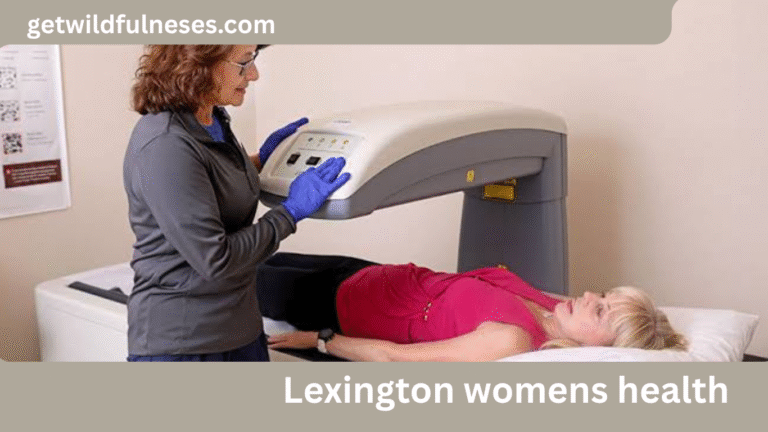
As women age, bone loss becomes more common. Bone density scans can help detect osteoporosis and reduce fracture risk.
Heart Health Monitoring
Heart disease remains one of the leading health concerns for women in the United States. A new beginning womens health approach includes heart health education, cholesterol checks, and lifestyle guidance.
Reproductive Health Services
Reproductive care is a key part of women’s healthcare. Women need access to safe, respectful, and informed reproductive support.

Birth Control Counseling
Healthcare providers help women choose birth control methods that fit their health needs and lifestyle.
Options may include:
- Birth control pills
- IUDs
- Hormonal implants
- Condoms
- Patches
- Injections
The best method depends on personal goals, health conditions, and future pregnancy plans.
Fertility Evaluations
Fertility concerns affect many women and couples. Early fertility testing may identify hormone imbalances, ovulation problems, or reproductive conditions.
A new beginning womens health center may offer:
- Hormone testing
- Ultrasound evaluations
- Ovulation tracking
- Fertility counseling
- Lifestyle recommendations
Pregnancy Care
Pregnancy care is most effective when it starts early. Prenatal visits help monitor both mother and baby throughout pregnancy.
Services often include:
- Ultrasounds
- Nutrition guidance
- Blood testing
- High-risk pregnancy monitoring
- Labor preparation
- Postpartum support
Menstrual Health and Hormone Balance
Many women struggle with hormone-related symptoms for years before seeking treatment. Hormone balance plays a major role in energy, mood, sleep, and reproductive health.
Common Hormonal Symptoms
Women may experience:
- Irregular periods
- Heavy bleeding
- Fatigue
- Mood swings
- Acne
- Hair thinning
- Weight changes
- Hot flashes
- Sleep problems
A new beginning womens health approach focuses on identifying the root cause instead of masking symptoms.
Conditions Often Linked to Hormone Imbalances
Polycystic Ovary Syndrome (PCOS)
PCOS affects hormone levels and may cause irregular periods, infertility, acne, and weight gain.
Endometriosis
Endometriosis occurs when tissue similar to the uterine lining grows outside the uterus. It can cause severe pain and fertility issues.
Thyroid Disorders
Thyroid problems may affect metabolism, mood, and energy levels.
Perimenopause and Menopause
Hormone changes during midlife may lead to:
- Night sweats
- Hot flashes
- Mood changes
- Brain fog
- Sleep issues
Treatment plans may include lifestyle adjustments, hormone therapy, nutrition support, or medications.
Mental Health and Emotional Wellness
Mental wellness is deeply connected to physical health. Many women experience anxiety, depression, burnout, or emotional stress at different life stages.
A strong a new beginning womens health program recognizes mental health as a major part of wellness.
Common Mental Health Challenges for Women
Women may experience:
- Anxiety disorders
- Depression
- Postpartum depression
- Chronic stress
- Emotional exhaustion
- Trauma-related symptoms
Why Integrated Care Matters
Women often feel better when healthcare providers address both emotional and physical symptoms together.
For example:
- Hormone imbalances may increase anxiety
- Chronic pain may lead to depression
- Sleep disorders may worsen stress
Integrated care creates better overall health outcomes.
Nutrition and Women’s Wellness
Nutrition is one of the strongest tools for long-term health. Healthy eating habits support hormones, energy levels, fertility, heart health, and immune function.
Important Nutrients for Women
Iron
Iron supports healthy blood circulation and energy production.
Calcium
Calcium supports strong bones and helps reduce osteoporosis risk.
Vitamin D
Vitamin D helps bone strength and immune function.
Folate
Folate is especially important before and during pregnancy.
Protein
Protein supports muscle health and healthy aging.
Healthy Eating Tips for Women
- Eat more fruits and vegetables
- Reduce processed foods
- Drink enough water
- Limit added sugars
- Include healthy fats
- Choose whole grains
- Balance protein intake
A personalized nutrition plan often works better than strict dieting.
Fitness and Physical Activity
Exercise is essential for women’s physical and emotional wellness.
A balanced fitness routine may improve:
- Heart health
- Bone strength
- Mood
- Sleep quality
- Weight management
- Hormone balance

Also Read : A Jacksonville Womens Health Center_ Complete Guide to Women’s Healthcare Services, Support, and Wellness
Best Types of Exercise for Women
Strength Training
Strength training supports bone density and muscle health.
Walking
Walking improves heart health and reduces stress.
Yoga
Yoga may improve flexibility, stress management, and balance.
Cardio Workouts
Cardio supports circulation and heart function.
Stretching
Stretching reduces stiffness and improves mobility.
Pregnancy and Postpartum Care
Pregnancy changes nearly every system in the body. Women need continuous support before, during, and after childbirth.
Prenatal Care Benefits
Good prenatal care can help:
- Reduce complications
- Monitor baby development
- Support healthy weight gain
- Identify high-risk conditions early
Postpartum Recovery
Postpartum care is often overlooked, but it is extremely important.
Women may experience:
- Hormone shifts
- Fatigue
- Emotional changes
- Breastfeeding challenges
- Pelvic floor weakness
A new beginning womens health approach supports women beyond delivery day.
Menopause Support and Healthy Aging
Menopause is a natural life stage, but symptoms can affect quality of life.
Common Menopause Symptoms
Women may experience:
- Hot flashes
- Sleep disruption
- Mood changes
- Vaginal dryness
- Weight gain
- Joint discomfort
Menopause Treatment Options
Treatment plans may include:
- Hormone replacement therapy
- Nutrition support
- Exercise plans
- Sleep improvement strategies
- Stress reduction techniques
Healthy Aging for Women
Healthy aging includes:
- Bone health monitoring
- Brain health support
- Cardiovascular care
- Mobility maintenance
- Mental wellness care
Women today are living longer and healthier lives when preventive care remains consistent.
Sexual Health and Wellness
Sexual wellness is an important but often ignored part of healthcare.
Women deserve open and respectful discussions about:
- Pain during intimacy
- Low libido
- Vaginal dryness
- Sexual infections
- Hormone-related changes
A supportive healthcare provider can help women feel more comfortable discussing sensitive concerns.
The Role of Technology in Women’s Healthcare
Technology has changed how women manage health.
Telehealth Services
Telehealth allows women to:
- Speak with doctors from home
- Access mental health counseling
- Receive medication management
- Review lab results online
Health Tracking Apps
Women now use apps to track:
- Menstrual cycles
- Fertility windows
- Pregnancy milestones
- Sleep patterns
- Exercise habits
Technology improves convenience and health awareness.
Common Health Conditions Affecting Women
A complete a new beginning womens health approach includes education about major women’s health risks.
Breast Cancer
Early screenings improve treatment success.
Ovarian Cancer
Symptoms may include bloating, pelvic pain, or appetite changes.
Osteoporosis
Bone weakening becomes more common after menopause.
Diabetes
Women with diabetes need regular monitoring and lifestyle support.
Autoimmune Diseases
Women are more likely than men to develop autoimmune conditions.
How Stress Impacts Women’s Health
Stress affects nearly every part of the body.
Long-term stress may contribute to:
- High blood pressure
- Weight gain
- Hormone imbalance
- Sleep disorders
- Anxiety
- Digestive issues
Healthy Stress Management Techniques
Women may benefit from:
- Meditation
- Exercise
- Better sleep habits
- Counseling
- Time management
- Social support
Reducing stress improves both physical and emotional wellness.
Why Patient Education Matters
Patient education helps women make informed healthcare decisions.
Women should understand:
- Their medications
- Treatment options
- Test results
- Lifestyle recommendations
- Risk factors
Healthcare works best when patients feel informed and involved.

Also Read : A Feminist Model for Womens Health Care
Choosing the Right Women’s Health Provider
Finding the right healthcare provider is important for long-term wellness.
What to Look For
A quality women’s healthcare provider should:
- Listen carefully
- Explain clearly
- Respect patient concerns
- Offer preventive care
- Stay updated on modern treatments
- Provide compassionate support
Questions to Ask
Before choosing a provider, women may ask:
- What services are available?
- How are emergencies handled?
- Is telehealth available?
- What insurance plans are accepted?
- How are test results communicated?
The Future of Women’s Healthcare
Women’s healthcare continues to improve with better research, technology, and awareness.
Future healthcare trends may include:
- More personalized medicine
- Better hormone testing
- Expanded mental health services
- Improved fertility treatments
- Greater focus on preventive care
Women today are demanding healthcare systems that treat them with dignity, respect, and understanding.
Expert Insights on A New Beginning Womens Health
One of the biggest changes in modern healthcare is the shift from reactive medicine to proactive wellness.
Instead of waiting for serious disease, women’s healthcare providers now focus on:
- Preventing illness early
- Improving daily wellness
- Supporting emotional health
- Encouraging healthy habits
This approach creates stronger long-term outcomes.
Another important insight is the growing connection between mental health and physical health. Women’s symptoms should never be dismissed as “normal stress” without deeper evaluation. Hormones, sleep quality, nutrition, and emotional wellness all work together.
Healthcare providers who understand this connection often provide better patient experiences and stronger health results.
How Women Can Take Control of Their Health
Women can improve long-term wellness by taking active roles in healthcare decisions.
Helpful Habits
- Schedule yearly checkups
- Track symptoms
- Prioritize sleep
- Stay physically active
- Eat balanced meals
- Manage stress levels
- Ask questions during appointments
Small habits often create major health improvements over time.
A New Beginning Womens Health and Community Support
Healthcare becomes stronger when women have community support.
Support groups, wellness programs, educational workshops, and online communities may help women:
- Feel less isolated
- Learn from others
- Improve emotional wellness
- Build healthier habits
Women often benefit from shared experiences and supportive environments.
Conclusion
A new beginning womens health is more than a healthcare approach. It is a commitment to helping women live healthier, stronger, and more balanced lives at every stage of life. From preventive screenings and reproductive care to hormone support, mental wellness, and healthy aging, modern women’s healthcare now focuses on the complete person instead of treating only symptoms.
Women today want care that feels personal, respectful, and easy to understand. They want healthcare providers who listen carefully, explain treatment options clearly, and support long-term wellness goals. This patient-centered model is changing the future of healthcare for women across the United States.
The growing focus on prevention, education, emotional wellness, nutrition, and lifestyle support is helping women take greater control of their health than ever before. Early detection, healthy daily habits, regular medical care, and open communication with healthcare providers can lead to better outcomes and improved quality of life.
FAQs About A New Beginning Womens Health
What does a new beginning womens health mean?
A new beginning womens health refers to a modern and patient-centered approach to women’s healthcare that focuses on physical, emotional, reproductive, and preventive wellness.
How often should women schedule wellness exams?
Most women should schedule yearly wellness exams, but some may need more frequent visits based on age, medical history, or existing conditions.
Why is preventive care important for women?
Preventive care helps identify health concerns early before they become serious. Early detection often improves treatment outcomes.
What services are included in women’s health care?
Women’s healthcare may include gynecology, pregnancy care, fertility support, hormone treatment, cancer screenings, mental health care, and nutrition counseling.
Can hormone imbalance affect mental health?
Yes. Hormone changes may contribute to anxiety, depression, mood swings, and sleep problems.
What are the signs of menopause?
Common signs include hot flashes, irregular periods, night sweats, mood changes, and sleep disturbances.
Is telehealth useful for women’s healthcare?
Yes. Telehealth provides convenient access to consultations, mental health support, medication management, and follow-up care.
How does stress affect women differently?
Stress may affect hormone levels, sleep quality, emotional health, digestion, and cardiovascular health in women.
What age should women start mammograms?
Screening recommendations vary based on risk factors and family history. Women should discuss timing with healthcare providers.
Can lifestyle changes improve hormone balance?
Healthy eating, exercise, sleep improvement, and stress management may support better hormone health naturally.
What is the role of nutrition in women’s wellness?
Nutrition supports hormones, fertility, energy, heart health, immunity, and healthy aging.
Why is postpartum care important?
Postpartum care helps women recover physically and emotionally after childbirth while identifying complications early.
What are common symptoms of PCOS?
Symptoms may include irregular periods, acne, weight gain, hair growth changes, and fertility difficulties.
How can women improve bone health?
Women can support bone health through calcium, vitamin D, strength training, and regular health screenings.
What should women discuss during annual exams?
Women should discuss menstrual changes, hormone symptoms, mental health concerns, medications, family history, and lifestyle habits.