
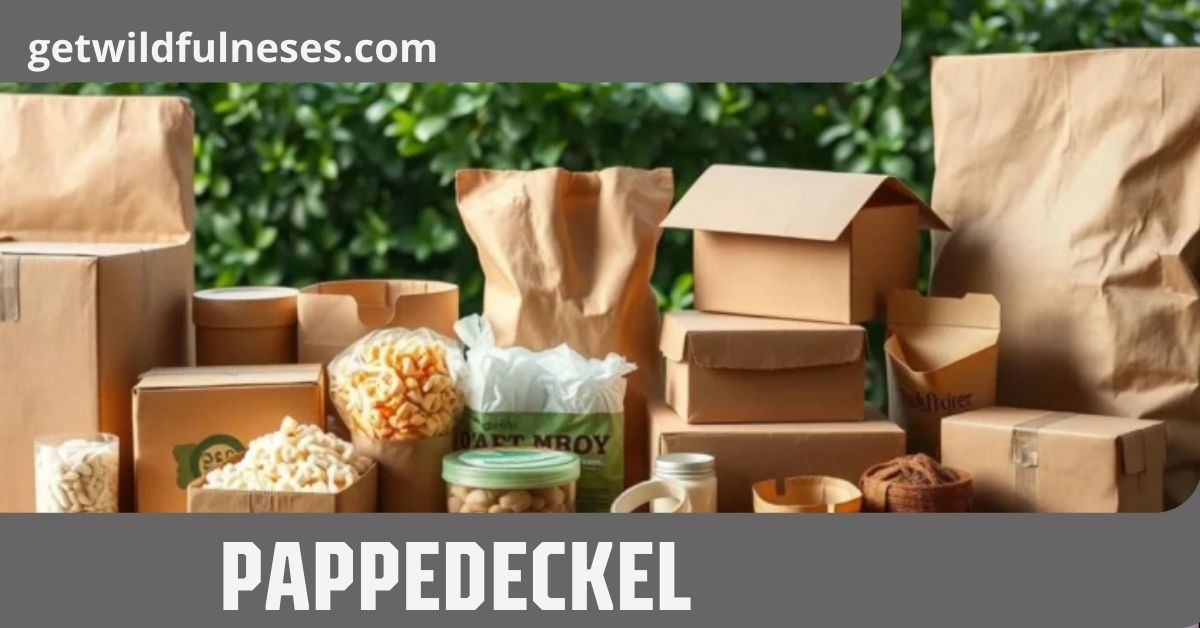
Pappedeckel is a strong and versatile cardboard material used in many industries. It is known for its durability, smooth surface, and eco-friendly nature. Businesses use it for packaging, bookbinding, crafts, and sustainable product design. In recent years, the demand for sustainable materials has increased in the United States and around the world. Because of this shift, pappedeckel has become more important than ever.
Many companies are moving away from plastic and other non-recyclable materials. They are looking for materials that are strong, affordable, and environmentally friendly. Pappedeckel meets all of these needs. It can protect products, support creative projects, and reduce environmental impact at the same time.
This guide explains everything you need to know about pappedeckel. You will learn what it is, how it is made, its uses, advantages, environmental benefits, and future trends.
What Is Pappedeckel?
Pappedeckel is a thick type of cardboard made from compressed paper fibers. The word originally comes from German, where it refers to sturdy cardboard sheets used for many practical purposes. Unlike thin paperboard, pappedeckel is rigid and durable.
It is often used where strength and stability are important. For example, it can be used to create strong boxes, protective packaging, book covers, and display boards.
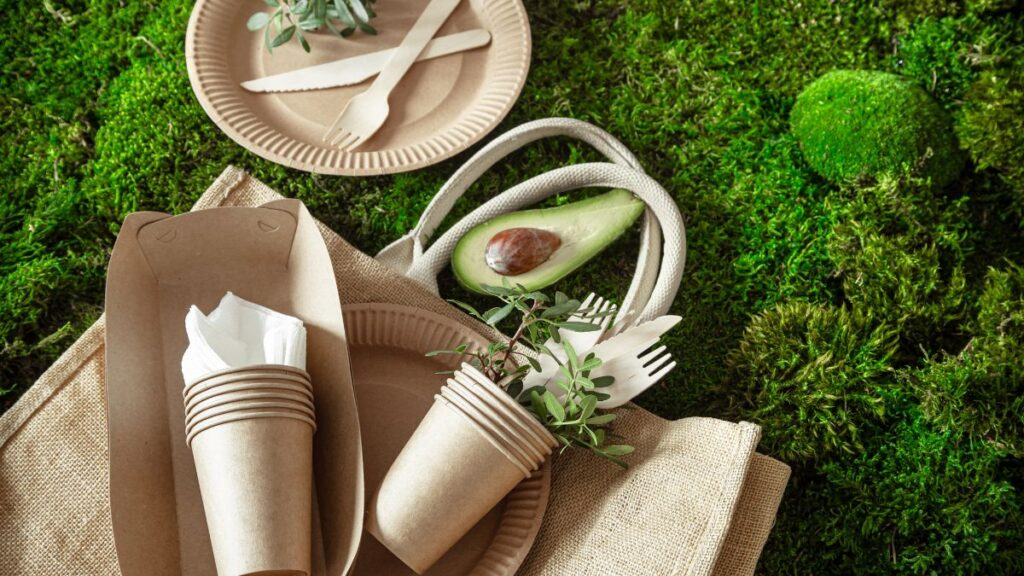
The material usually has the following characteristics:
• Thick and strong structure
• Smooth surface suitable for printing
• Lightweight but durable
• Easy to cut and shape
• Recyclable and biodegradable
Because of these features, pappedeckel works well in both industrial and creative applications.
The Growing Importance of Pappedeckel in Modern Industries
Sustainability is one of the biggest trends in modern manufacturing. Companies want to reduce waste and protect the environment while still producing high-quality products. Pappedeckel plays an important role in this transition.
In the United States, many businesses now prefer recyclable packaging. Customers also expect companies to use eco-friendly materials. Pappedeckel supports these goals because it is made from renewable resources and can be recycled after use.
Industries that commonly use pappedeckel include:
Packaging and shipping companies
Book publishing and printing
Furniture and product design
Arts and crafts industries
Retail display manufacturing
As more organizations adopt sustainable practices, the use of pappedeckel continues to grow.
How Pappedeckel Is Manufactured
The production process of pappedeckel involves several steps. Each step ensures the material becomes strong, durable, and consistent.
Raw Material Collection
The process begins with paper fibers. These fibers often come from recycled paper, wood pulp, or other cellulose sources.
Using recycled fibers helps reduce waste and saves natural resources.
Pulp Preparation
The fibers are mixed with water to create pulp. The pulp is cleaned and processed to remove impurities.
At this stage, manufacturers may adjust the fiber mixture to control thickness and strength.
Pressing and Layering
The pulp is formed into sheets and pressed under high pressure. Multiple layers may be combined to increase strength.
This compression creates the dense structure that makes pappedeckel strong and rigid.
Drying Process
After pressing, the sheets are dried carefully. Drying removes moisture and stabilizes the structure of the cardboard.
Surface Treatment
Finally, the surface may be smoothed or coated. This treatment makes the material easier to print on and improves its appearance.
The finished product is then cut into sheets or shapes depending on its intended use.
Also Read: JR Geo: A Modern Geospatial Mapping, Data Analysis, and Geographic Intelligence
Different Types of Pappedeckel
Not all pappedeckel materials are the same. Different industries require different properties. As a result, manufacturers produce several types.
Solid Pappedeckel
Solid pappedeckel is made from tightly compressed layers of paper fibers. It is very strong and often used for book covers, packaging boards, and protective panels.
Recycled Pappedeckel
This type uses recycled paper fibers as its main raw material. It is commonly used in eco-friendly packaging and sustainable product design.
Laminated Pappedeckel
Laminated pappedeckel has a protective layer added to the surface. This layer improves moisture resistance and durability.
Printed Pappedeckel
Some sheets are designed specifically for printing. They have smooth surfaces that allow high-quality graphics and branding.
These different types make pappedeckel adaptable for many applications.
Key Properties That Make Pappedeckel Valuable
The popularity of pappedeckel comes from its unique combination of properties.
Strength and Durability
Even though it is lightweight, pappedeckel can handle heavy loads and pressure. This makes it ideal for packaging and structural uses.
Easy Customization
Manufacturers can easily cut, fold, print, or shape the material. Designers can create custom products without complex equipment.
Cost Efficiency
Compared to plastic or metal alternatives, pappedeckel is usually less expensive. This makes it a practical choice for businesses.
Sustainability
The material can be recycled multiple times. It is also biodegradable, which reduces environmental impact.
Lightweight Structure
Despite its strength, pappedeckel remains lightweight. This helps reduce shipping costs.
These qualities explain why many industries prefer this material.
Major Uses of Pappedeckel
Pappedeckel is used in many different ways across multiple industries.
Packaging Industry
Packaging is one of the most common uses. The material can protect products during storage and transportation.
Many companies use pappedeckel to create:
Product boxes
Shipping cartons
Protective inserts
Retail packaging
It offers strength while keeping packaging lightweight.
Bookbinding and Publishing
Bookbinding professionals often use pappedeckel for hardcover book covers. The material provides strong support for books.
It also helps maintain the shape and durability of hardcover publications.
Crafts and DIY Projects
Artists and hobbyists love using pappedeckel for creative projects. It is easy to cut, paint, and shape.
Common craft uses include:
Model building
Decorative frames
Scrapbooking bases
School projects
Retail Displays
Retail stores use pappedeckel to create product displays and signage. Its rigid structure helps support promotional materials.
Product Design
Designers use the material to create innovative products. Examples include storage boxes, organizers, and eco-friendly furniture prototypes.
Environmental Benefits of Pappedeckel
Environmental sustainability is one of the strongest advantages of pappedeckel.
Recyclability
Most pappedeckel products can be recycled easily. The fibers can be reused multiple times to produce new cardboard materials.
Reduced Plastic Waste
Using cardboard instead of plastic packaging reduces plastic pollution.
Renewable Raw Materials
Paper fibers come from renewable resources such as trees or recycled paper.
Biodegradability
Unlike plastic, pappedeckel naturally breaks down over time. This reduces long-term waste in landfills.
Lower Carbon Footprint
Producing cardboard generally requires less energy than manufacturing plastic or metal packaging.
Because of these environmental benefits, many sustainable brands choose pappedeckel.
Pappedeckel vs Other Packaging Materials
Understanding how pappedeckel compares with other materials helps businesses choose the best option.
Pappedeckel vs Plastic
Plastic is waterproof and flexible, but it creates long-lasting environmental waste.
Pappedeckel is recyclable and biodegradable, making it a better option for sustainability.
Pappedeckel vs Corrugated Cardboard
Corrugated cardboard has fluted layers that provide cushioning. Pappedeckel is usually more solid and rigid.
Corrugated materials work well for shipping boxes, while pappedeckel works better for rigid structures.
Pappedeckel vs Foam Packaging
Foam protects fragile items but is difficult to recycle.
Pappedeckel offers reasonable protection while remaining eco-friendly.
Each material has specific advantages, but pappedeckel often provides the best balance between strength and sustainability.
The Role of Pappedeckel in Sustainable Product Design
Modern designers are focusing more on sustainability. Materials must be recyclable, renewable, and low impact.
Pappedeckel fits perfectly into this design philosophy.
Designers can use it to create:
Reusable storage boxes
Eco-friendly packaging
Temporary furniture
Architectural models
Because it is easy to cut and assemble, it is also useful for prototyping.
Sustainable product design is growing quickly in the United States. As this trend continues, the importance of pappedeckel will likely increase.
Innovations and Future Trends in Pappedeckel Production
Technology continues to improve cardboard manufacturing. These innovations are making pappedeckel even more useful.
Water-Resistant Coatings
New coatings can make pappedeckel resistant to moisture without reducing recyclability.
Advanced Recycling Techniques
Modern recycling systems allow manufacturers to recover high-quality fibers from used cardboard.
Digital Printing
High-resolution digital printing allows companies to print complex graphics directly onto pappedeckel packaging.
Lightweight Engineering
Manufacturers are developing techniques to make pappedeckel stronger while using less material.
These innovations will help expand its applications in the future.
How Businesses Can Use Pappedeckel Effectively
Companies that want to improve sustainability can use pappedeckel in many ways.
First, they can replace plastic packaging with cardboard alternatives.
Second, they can design packaging that uses less material but still protects products.
Third, they can encourage customers to recycle packaging after use.
Finally, businesses can communicate their sustainability efforts clearly. Customers often appreciate brands that care about the environment.
Using pappedeckel helps companies meet environmental goals while maintaining product quality.
Challenges and Limitations of Pappedeckel
Although pappedeckel has many advantages, it also has some limitations.
Moisture Sensitivity
Standard cardboard can weaken when exposed to water.
Limited Flexibility
The rigid structure can be difficult to bend compared with flexible packaging materials.
Weight Limits
Very heavy products may require stronger materials like wood or reinforced cardboard.
However, modern coatings and manufacturing techniques are helping reduce these limitations.
Also Read: Laaster: The Future of Real-Time Adaptive System Design
Tips for Choosing High-Quality Pappedeckel
When selecting pappedeckel for packaging or design, consider the following factors.
Thickness and density
Surface smoothness
Recycled content
Strength and durability
Compatibility with printing
Choosing the right material ensures better performance and longer product life.
The Future of Pappedeckel in the United States
Sustainability trends suggest strong growth for cardboard materials.
Many companies in the United States are investing in recyclable packaging solutions. Government regulations and consumer awareness are also encouraging sustainable materials.
Because of this shift, pappedeckel will likely play an even larger role in:
Eco-friendly packaging
Sustainable retail displays
Green product design
Educational craft materials
As innovation continues, the material may become even stronger and more versatile.
Frequently Asked Questions About Pappedeckel
What makes pappedeckel different from regular cardboard?
Pappedeckel is typically thicker and more rigid than standard cardboard. It is designed for structural strength and durability.
Is pappedeckel environmentally friendly?
Yes. It is recyclable, biodegradable, and often made from recycled paper fibers.
Can pappedeckel be used for product packaging?
Yes. Many businesses use pappedeckel for protective packaging, product boxes, and retail displays.
Is pappedeckel suitable for crafts?
Yes. Artists and hobbyists often use it for models, decorative items, and DIY projects because it is easy to cut and shape.
Can pappedeckel be printed on?
Yes. Smooth pappedeckel surfaces allow high-quality printing for branding and graphics.
Is pappedeckel strong enough for shipping?
It can be used for shipping when designed properly. However, heavy items may require reinforced packaging.
How thick is typical pappedeckel?
Thickness varies depending on the application. It can range from thin rigid boards to thick structural sheets.
Can pappedeckel be waterproof?
Standard pappedeckel is not waterproof, but manufacturers can apply coatings to improve moisture resistance.
Is pappedeckel expensive?
No. It is generally cost-effective compared with many alternative materials.
What industries benefit most from pappedeckel?
Packaging, publishing, retail displays, product design, and crafts industries benefit greatly from this material.
Conclusion
Pappedeckel is a powerful example of how simple materials can play an important role in modern industries. Its strength, versatility, and sustainability make it valuable for packaging, bookbinding, crafts, and product design.
As businesses continue to focus on eco-friendly solutions, materials like pappedeckel will become even more important. Its recyclable nature, cost efficiency, and adaptability make it a strong alternative to plastic and other less sustainable materials.
With ongoing innovations and increasing environmental awareness, the future of pappedeckel looks promising. Companies, designers, and creators can all benefit from using this durable and sustainable cardboard material.








Leave A Comment